 Stock Taper
AARD
$5.79
▼ DOWN 12.54% (-0.83)
KEY STATISTICS
Market Cap$126.71 M
52w High$17.94
52w Low$3.35
Dividend Yield—
Frequency—
P/E-1.80
Volume142.63K
Shares Out.21.88M
COMPANY
LEADERSHIP

CHIEF EXECUTIVE
Tien-Li Lee
COMPENSATION 2026
Salary$630,788
Stock Awards$0
Incentive Plan Pay$342,870
All Other Comp.$0
Total$6,066,684
ABOUT
SECTOR
Healthcare
WENT PUBLIC
February 13, 2025
METHOD OF GOING PUBLIC
IPO
FULL TIME EMPLOYEES
28
PRICE TARGET
Target High$6.00
Target Low$3.00
Target Median$4.50
Target Consensus$4.50
UPCOMING EARNINGS
DateNov 12, 2026
DayThursday
Rev. Est.—
NOV
12
THU
PRICE
$5.79 ▼ DOWN 12.54% (−$0.83)About Aardvark Therapeutics, Inc. Common Stock
https://aardvarktherapeutics.com ↗Aardvark Therapeutics, Inc. is a San Diego-based biotech developing small-molecule gut-restricted therapies, including ARD-101 and ARD-201, for metabolic diseases like hyperphagia and obesity, currently in Phase II and III trials.
INDUSTRY
Biotechnology
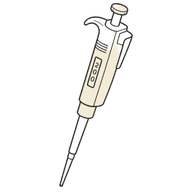
A PRODUCT AARDVARK THERAPEUTICS, INC. COMMON STOCK IS KNOWN FOR

ARD-101
ARD-101, a gut-restricted small molecule in Phase 3, aims to treat hyperphagia in Prader-Willi Syndrome by targeting gut bitter taste receptors to regulate appetite and metabolism.


ETFS HOLDING THIS STOCK
ETFS HOLDING
22
LISTED HERE
5
RANKED BY POSITION SIZE


INSTITUTIONAL OWNERSHIP
SHARES OWNED
45.95%
HOLDERS
94
TOP 12 OF 94 · RANKED BY POSITION SIZE

Decheng Capital LLC

Citadel Advisors LLC

Laurion Capital Management LP

Blackrock, Inc.

Vanguard Group Inc

Millennium Management LLC

Adage Capital Partners Gp, L.L.C.

Tfg Asset Management Gp Ltd

Geode Capital Management, LLC

Silverarc Capital Management, LLC

Schonfeld Strategic Advisors LLC

State Street Corp
RATINGS SNAPSHOT
Overall rating: C+
Discounted Cash Flow3
Return On Equity1
Return On Assets1
Debt To Equity4
Price To Earnings1
Price To Book3
Overall Score2
INSIDER TRADES
★
DIRECTOR
Chi Jeffrey
Purchase · 45.0K shares
2026-08-14
★
DIRECTOR
Graf Susan E
Purchase · 45.0K shares
2026-08-14
★
DIRECTOR
Tong Victor Edward Jr
Purchase · 45.0K shares
2026-08-14
★
DIRECTOR
Baynes Roy D.
Purchase · 45.0K shares
2026-08-14
MOST RECENT ANALYST GRADES
GRADE SUMMARY
NEUTRAL 2
BUY 1
UNDERWEIGHT 1
HOLD 1
OUTPERFORM 1
SECTOR PERFORM 1
7 GRADES IN THE LAST 12 MONTHS


SECTORS PEERS
| PEER | PRICE | |
|---|---|---|
 AVTX AVTX | $19.59 | COMPARE |
 ASMB ASMB | $34.07 | COMPARE |
 ZURA ZURA | $5.72 | COMPARE |
 ENTA ENTA | $13.60 | COMPARE |
 FHTX FHTX | $6.00 | COMPARE |
 EPRX EPRX | $6.67 | COMPARE |
 PYXS PYXS | $3.23 | COMPARE |
 CRBU CRBU | $1.62 | COMPARE |