 Stock Taper
AMRZ
$44.67
▲ UP 0.86% (0.38)
KEY STATISTICS
Market Cap$24.73 B
52w High$65.94
52w Low$43.69
Dividend Yield1.42%
FrequencyQuarterly
P/E30.39
Volume2.57M
Shares Out.553.54M
COMPANY
LEADERSHIP

CHIEF EXECUTIVE
Jan Philipp Jenisch
COMPENSATION 2026
Salary$1,544,936
Stock Awards$9,839,951
Incentive Plan Pay$1,862,003
All Other Comp.$32,801
Total$13,466,330
ABOUT
SECTOR
Basic Materials
WENT PUBLIC
June 23, 2025
METHOD OF GOING PUBLIC
Dual Listing
FULL TIME EMPLOYEES
19,000
PRICE TARGET
Target High$70.00
Target Low$48.00
Target Median$56.00
Target Consensus$57.38
UPCOMING EARNINGS
DateOct 27, 2026
DayTuesday
Rev. Est.$3.87B
OCT
27
TUE
PRICE
$44.67 ▲ UP 0.86% (+$0.38)About Amrize Ltd
https://www.amrize.com ↗Amrize AG focuses on building materials business in North America. The company was incorporated in 2023 and is based in Zug, Switzerland. Amrize AG operates independently of Holcim AG as of June 23, 2025.
INDUSTRY
Construction Materials
A PRODUCT AMRIZE LTD IS KNOWN FOR

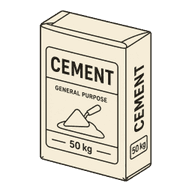
ECOPlanet® Cements
ECOPlanet is a low-carbon cement reducing CO2 emissions by at least 30% without sacrificing performance, serving as a flagship sustainable building solution for Amrize amid the growing demand for eco-friendly construction materials.


Revenue by Products
| Icon | PRODUCT | Q3-2025 | Q4-2025 | Q1-2026 | Q2-2026 |
|---|---|---|---|---|---|
 | Building Materials | $2.77B | $3.49B ▲ | $1.5B ▼ | $2.44B ▲ |
Revenue by Geography
| Map | REGION | FY2025 |
|---|---|---|
 | UNITED STATES | $9.11B |
 | CANADA | $2.67B |
 | Other Geographical Regions | $29M |
ETFS HOLDING THIS STOCK
ETFS HOLDING
53
LISTED HERE
18
RANKED BY POSITION SIZE


INSTITUTIONAL OWNERSHIP
SHARES OWNED
29.67%
HOLDERS
569
TOP 12 OF 569 · RANKED BY POSITION SIZE

Vanguard Group Inc

Norges Bank

Ubs Group AG

Blackrock, Inc.

Harris Associates L P

Wellington Management Group Llp

Fmr LLC

Dz Bank AG Deutsche Zentral Genossenschafts Bank, Frankfurt Am Main

Zurcher Kantonalbank (Zurich Cantonalbank)

Invesco Ltd.

Geode Capital Management, LLC

Slate Path Capital LP
RATINGS SNAPSHOT
Overall rating: B+
Discounted Cash Flow5
Return On Equity4
Return On Assets4
Debt To Equity2
Price To Earnings2
Price To Book2
Overall Score3
TRADES BY CONGRESS
HOUSE TRADES

Ro Khanna
Purchase
2026-05-21
INSIDER TRADES
★
DIRECTOR
Sanche Jacques Wolf
Purchase · 4.2K shares
2026-08-26
★
OFFICER: CHIEF LEGAL OFFICER & CORP SEC
Singleton Denise R
Purchase · 3.5K shares
2026-08-25
★
OFFICER: CHIEF MKTG & CORP AFFAIRS OFF
Forrest Nollaig
Purchase · 1.5K shares
2026-08-25
★
OFFICER: CHIEF STRATEGY & M&A OFFICER
Poletti Samuel Jonas
Purchase · 2.5K shares
2026-08-17
MOST RECENT ANALYST GRADES
GRADE SUMMARY
OVERWEIGHT 3
BUY 1
UNDERPERFORM 1
OUTPERFORM 1
HOLD 1
NEUTRAL 1
8 GRADES IN THE LAST 12 MONTHS


SECTORS PEERS
| PEER | PRICE | |
|---|---|---|
 CRH CRH | $95.86 | COMPARE |
 NUE NUE | $272.44 | COMPARE |
 MT MT | $72.67 | COMPARE |
 AU AU | $95.96 | COMPARE |
 STLD STLD | $260.82 | COMPARE |
 GFI GFI | $40.68 | COMPARE |
 VMC VMC | $274.51 | COMPARE |
 KGC KGC | $27.22 | COMPARE |