 Stock Taper
AMSC
$28.49
▼ DOWN 4.52% (-1.35)
KEY STATISTICS
Market Cap$1.38 B
52w High$70.49
52w Low$24.87
Dividend Yield—
Frequency—
P/E8.35
Volume665.00K
Shares Out.48.46M
COMPANY
LEADERSHIP

CHIEF EXECUTIVE
Daniel Patrick McGahn
COMPENSATION 2026
Salary$715,769
Stock Awards$5,644,800
Incentive Plan Pay$1,149,125
All Other Comp.$19,331
Total$7,529,025
ABOUT
SECTOR
Industrials
WENT PUBLIC
December 12, 1991
METHOD OF GOING PUBLIC
IPO
FULL TIME EMPLOYEES
1,195
PRICE TARGET
Target High$68.00
Target Low$33.00
Target Median$55.00
Target Consensus$52.00
UPCOMING EARNINGS
DateNov 4, 2026
DayWednesday
Rev. Est.$87.32M
NOV
4
WED
SPLIT RECORD
| DATE | TYPE | RATIO |
|---|---|---|
| 2015-03-25 | Reverse | 1:10 |
| 1994-11-29 | Forward | 3:2 |
PRICE
$28.49 ▼ DOWN 4.52% (−$1.35)About American Superconductor Corporation
https://www.amsc.com ↗American Superconductor provides global power resiliency solutions, including grid transmission, renewable integration, and wind turbine systems, serving utilities, industries, and renewable developers.
INDUSTRY
Electrical Equipment & Parts
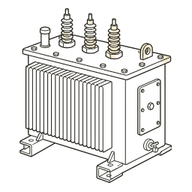
A PRODUCT AMERICAN SUPERCONDUCTOR CORPORATION IS KNOWN FOR

Resilient Electric Grid (REG) System
A high-capacity medium-voltage power cable system using HTS wire to improve grid reliability, deliver large power in a compact footprint, and modernize urban electric networks.


Revenue by Products
| Icon | PRODUCT | Q2-2025 | Q3-2025 | Q4-2025 | Q1-2026 |
|---|---|---|---|---|---|
 | Grid | $47.4M | $51.97M ▲ | $36.71M ▼ | $43.16M ▲ |
 | Wind | $11.43M | $11.34M ▼ | $12.63M ▲ | $17.75M ▲ |
Revenue by Geography
| Map | REGION | FY2014 | FY2015 | FY2016 | FY2017 |
|---|---|---|---|---|---|
 | UNITED STATES | $9.82M | $14.56M ▲ | $16.22M ▲ | $17.32M ▲ |
 | INDIA | $39.31M | $59.64M ▲ | $44.24M ▼ | $12.93M ▼ |
 | Europe | $2.9M | $1.77M ▼ | $3.62M ▲ | $5.41M ▲ |
 | Middle East | — | — | — | $4.01M |
 | Asia Pacific | — | $5.36M | $2.11M ▼ | $3.75M ▲ |
 | KOREA REPUBLIC OF | $3.51M | — | — | — |
 | AUSTRALIA | $1.89M | $2.41M ▲ | $4.05M ▲ | $3.07M ▼ |
 | CANADA | $2.69M | $1.12M ▼ | $1.39M ▲ | $1.12M ▼ |
 | CHINA | $10.41M | $8.46M ▼ | $2M ▼ | $679K ▼ |
 | Africa | — | $2.7M | $1.55M ▼ | $118K ▼ |
ETFS HOLDING THIS STOCK
ETFS HOLDING
145
LISTED HERE
26
RANKED BY POSITION SIZE


INSTITUTIONAL OWNERSHIP
SHARES OWNED
45.55%
HOLDERS
397
TOP 12 OF 397 · RANKED BY POSITION SIZE

Blackrock, Inc.

Vanguard Group Inc

Blackrock Inc.

Barrow Hanley Mewhinney & Strauss LLC

Baillie Gifford & Co

Ubs Group AG

State Street Corp

Goldman Sachs Group Inc

Geode Capital Management, LLC

Driehaus Capital Management LLC

First Trust Advisors LP

Atreides Management, LP
RATINGS SNAPSHOT
Overall rating: A-
Discounted Cash Flow1
Return On Equity5
Return On Assets5
Debt To Equity5
Price To Earnings3
Price To Book2
Overall Score4
INSIDER TRADES
★
DIRECTOR
Dambier Laura A.
Sale · 4.0K shares
2026-06-11
★
OFFICER: SVP, CFO & TREASURER
Kosiba John W JR
Sale · 5.0K shares
2026-06-11
★
OFFICER: SVP, CFO & TREASURER
Kosiba John W JR
Sale · 1.7K shares
2026-06-11
★
DIRECTOR, OFFICER: CHAIRMAN, PRESIDENT AND CEO
McGahn Daniel P
Sale · 11.5K shares
2026-06-11
MOST RECENT ANALYST GRADES
GRADE SUMMARY
BUY 2
2 GRADES IN THE LAST 12 MONTHS


SECTORS PEERS
| PEER | PRICE | |
|---|---|---|
 XMTR XMTR | $94.11 | COMPARE |
 SXI SXI | $298.44 | COMPARE |
 PSIX PSIX | $36.28 | COMPARE |