 Stock Taper
APWC
$1.40
▼ DOWN 0.67% (-0.01)
KEY STATISTICS
Market Cap$29.07 M
52w High$2.34
52w Low$1.27
Dividend Yield2.96%
FrequencyAnnual
P/E4.00
Volume5.87K
Shares Out.20.62M
COMPANY
LEADERSHIP

CHIEF EXECUTIVE
Chun-Tang Yuan
ABOUT
SECTOR
Industrials
WENT PUBLIC
July 15, 2003
METHOD OF GOING PUBLIC
IPO
FULL TIME EMPLOYEES
1,175
PRICE
$1.40 ▼ DOWN 0.67% (−$0.01)About Asia Pacific Wire & Cable Corporation Limited
https://www.apwcc.com ↗Asia Pacific Wire & Cable manufactures and distributes enameled wire, power, and telecom cables across Asia Pacific, serving various industries with products like copper rods, fiber optics, and power transmission cables.
INDUSTRY
Electrical Equipment & Parts
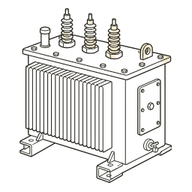
A PRODUCT ASIA PACIFIC WIRE & CABLE CORPORATION LIMITED IS KNOWN FOR

Power Cables
Asia Pacific Wire & Cable Corporation manufactures and distributes power cables for infrastructure, commercial, and residential projects across the Asia-Pacific region.


Revenue by Products
| Icon | PRODUCT | FY2022 | FY2023 | FY2024 | FY2025 |
|---|---|---|---|---|---|
 | Power | $182.17M | $221.07M ▲ | $229.39M ▲ | $252.65M ▲ |
 | S D I | $45.93M | $57.7M ▲ | $63.39M ▲ | $39.81M ▼ |
 | Other Products | $27.67M | $9.56M ▼ | $28.58M ▲ | $38.34M ▲ |
Revenue by Geography
| Map | REGION | FY2022 | FY2023 | FY2024 | FY2025 |
|---|---|---|---|---|---|
 | THAILAND | $153.16M | $152.44M ▼ | $158.13M ▲ | $161.46M ▲ |
 | SINGAPORE | $118.79M | $135.23M ▲ | $154.38M ▲ | $147.61M ▼ |
 | CHINA | $82.19M | $62.24M ▼ | $76.15M ▲ | $90.59M ▲ |
 | AUSTRALIA | $60.3M | $62.14M ▲ | $67.11M ▲ | $62.72M ▼ |
 | South East Asia | $18.66M | $12.74M ▼ | $15.98M ▲ | $26.18M ▲ |
 | INDIA | $779K | $973K ▲ | $923K ▼ | $1.12M ▲ |
 | North East Asia | $12K | $16K ▲ | — | $6K ▼ |
INSTITUTIONAL OWNERSHIP
SHARES OWNED
1.92%
HOLDERS
10
TOP 10 OF 10 · RANKED BY POSITION SIZE

Geode Capital Management, LLC

Cable Car Capital LLC

Renaissance Technologies LLC

Lpl Financial LLC

Susquehanna International Group, Llp

Citadel Advisors LLC

Rbf Capital, LLC

Ubs Group AG

Morgan Stanley

Concourse Financial Group Securities, Inc.
RATINGS SNAPSHOT
Overall rating: A-
Discounted Cash Flow4
Return On Equity2
Return On Assets2
Debt To Equity3
Price To Earnings4
Price To Book5
Overall Score4
INSIDER TRADES
★
OFFICER: CHIEF FINANCIAL OFFICER
MA YU-HENG
— · —
2026-05-07
★
DIRECTOR
SUN TAO-HENG
— · —
2026-04-15
★
DIRECTOR
CHUNG PATRICK JENKIN
— · —
2026-04-15
★
DIRECTOR
Chan Anson
— · —
2026-04-03
SECTORS PEERS
| PEER | PRICE | |
|---|---|---|
 NEOV NEOV | $3.34 | COMPARE |
 CSTE CSTE | $3.14 | COMPARE |
 OESX OESX | $26.50 | COMPARE |
 IPWR IPWR | $4.69 | COMPARE |
 STI STI | $7.55 | COMPARE |
 KSCP KSCP | $1.41 | COMPARE |
 FLUX FLUX | $0.62 | COMPARE |
 GWH GWH | $0.35 | COMPARE |