 Stock Taper
AROC
$31.24
▼ DOWN 2.56% (-0.82)
KEY STATISTICS
Market Cap$5.48 B
52w High$42.23
52w Low$22.88
Dividend Yield2.43%
FrequencyQuarterly
P/E16.36
Volume2.42M
Shares Out.175.26M
COMPANY
LEADERSHIP

CHIEF EXECUTIVE
D. Bradley Childers
COMPENSATION 2026
Salary$944,231
Stock Awards$6,037,304
Incentive Plan Pay$1,985,363
All Other Comp.$70,712
Total$9,037,610
ABOUT
SECTOR
Energy
WENT PUBLIC
August 21, 2007
METHOD OF GOING PUBLIC
IPO
FULL TIME EMPLOYEES
1,350
PRICE TARGET
Target High$46.00
Target Low$40.00
Target Median$40.50
Target Consensus$42.17
UPCOMING EARNINGS
DateOct 27, 2026
DayTuesday
Rev. Est.$385.74M
OCT
27
TUE
SPLIT RECORD
| DATE | TYPE | RATIO |
|---|---|---|
| 2007-08-21 | Reverse | 13:40 |
| 2000-06-14 | Forward | 2:1 |
PRICE
$31.24 ▼ DOWN 2.56% (−$0.82)About Archrock, Inc.
https://www.archrock.com ↗Archrock, Inc. is a Houston-based U.S. energy infrastructure company providing natural gas compression services and aftermarket support to the oil and gas industry through its Contract Operations and Aftermarket Services segments.
INDUSTRY
Oil & Gas Equipment & Services
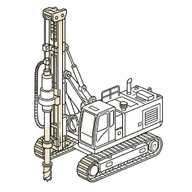
A SERVICE ARCHROCK, INC. IS KNOWN FOR
Natural Gas Contract Compression Services
Archrock is a top U.S. provider of natural gas contract compression services, owning and operating equipment to deliver installation, maintenance, and support for oil and gas industry uptime and flexibility.


Revenue by Products
| Icon | PRODUCT | Q3-2025 | Q4-2025 | Q1-2026 | Q2-2026 |
|---|---|---|---|---|---|
 | Contract Operations Segment | $326.27M | $327.09M ▲ | $330.88M ▲ | $329.26M ▼ |
 | Aftermarket Services Segment | $56.16M | $49.98M ▼ | $42.89M ▼ | $41.98M ▼ |
Revenue by Geography
| Map | REGION | Q3-2017 | Q4-2017 | Q1-2018 | Q2-2018 |
|---|---|---|---|---|---|
 | North America Contract Operations | $153.52M | $156.3M ▲ | $161.2M ▲ | $68.95M ▼ |
ETFS HOLDING THIS STOCK
ETFS HOLDING
254
LISTED HERE
26
RANKED BY POSITION SIZE


INSTITUTIONAL OWNERSHIP
SHARES OWNED
81.27%
HOLDERS
630
TOP 12 OF 630 · RANKED BY POSITION SIZE

Blackrock, Inc.

Blackrock Inc.

Vanguard Group Inc

Earnest Partners LLC

Invesco Ltd.

Bank Of America Corp /De/

State Street Corp

Oppenheimerfunds, Inc.

Dimensional Fund Advisors LP

Harvest Fund Advisors LLC

American Century Companies Inc

Blackrock Fund Advisors
RATINGS SNAPSHOT
Overall rating: B-
Discounted Cash Flow3
Return On Equity5
Return On Assets4
Debt To Equity1
Price To Earnings1
Price To Book1
Overall Score3
TRADES BY CONGRESS
HOUSE TRADES

Chris Jacobs
Purchase
2022-12-12

Christopher L. Jacobs
Purchase
2022-12-12

Mark Dr Green
Sale (Full)
2020-07-02
INSIDER TRADES
★
OFFICER
Singh Mohit
— · —
2026-07-06
★
OFFICER: SVP & CFO
Singh Mohit
Purchase · 41.1K shares
2026-07-06
★
DIRECTOR, OFFICER: PRESIDENT AND CEO
CHILDERS D BRADLEY
Sale · 25.0K shares
2026-06-25
★
OFFICER: SENIOR VICE PRESIDENT
Ingersoll Jason
Sale · 33.0K shares
2026-05-18
MOST RECENT ANALYST GRADES
GRADE SUMMARY
OUTPERFORM 3
BUY 2
OVERWEIGHT 1
6 GRADES IN THE LAST 12 MONTHS


SECTORS PEERS
| PEER | PRICE | |
|---|---|---|
 NOV NOV | $20.99 | COMPARE |
 NE NE | $45.76 | COMPARE |
 UGP UGP | $6.45 | COMPARE |
 WFRD WFRD | $93.79 | COMPARE |
 LB LB | $86.94 | COMPARE |
 MGY MGY | $26.25 | COMPARE |
 VAL VAL | $86.29 | COMPARE |
 MUR MUR | $35.63 | COMPARE |