 Stock Taper
BE
$210.77
▼ DOWN 3.24% (-7.06)
KEY STATISTICS
Market Cap$62.08 B
52w High$351.28
52w Low$48.87
Dividend Yield—
Frequency—
P/E184.89
Volume11.37M
Shares Out.294.53M
COMPANY
LEADERSHIP

CHIEF EXECUTIVE
K. R. Sridhar
COMPENSATION 2026
Salary$935,385
Stock Awards$0
Incentive Plan Pay$2,470,000
All Other Comp.$0
Total$3,502,747
ABOUT
SECTOR
Industrials
WENT PUBLIC
July 25, 2018
METHOD OF GOING PUBLIC
IPO
FULL TIME EMPLOYEES
2,214
PRICE TARGET
Target High$350.00
Target Low$176.00
Target Median$285.00
Target Consensus$276.47
UPCOMING EARNINGS
DateOct 27, 2026
DayTuesday
Rev. Est.$1.05B
OCT
27
TUE
PRICE
$210.77 ▼ DOWN 3.24% (−$7.06)About Bloom Energy Corporation
https://www.bloomenergy.com ↗Bloom Energy designs and installs solid-oxide fuel cell systems that convert fuels like natural gas or hydrogen into electricity for critical infrastructure applications worldwide.
INDUSTRY
Electrical Equipment & Parts
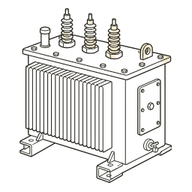
A PRODUCT BLOOM ENERGY CORPORATION IS KNOWN FOR

Bloom Energy Server
The Bloom Energy Server is a solid oxide fuel cell generator that produces clean, reliable, onsite electricity from fuels like natural gas, biogas, or hydrogen for commercial and industrial use with high efficiency and low emissions.


Revenue by Products
| Icon | PRODUCT | Q3-2025 | Q4-2025 | Q1-2026 | Q2-2026 |
|---|---|---|---|---|---|
 | Product | $384.31M | $638.49M ▲ | $653.35M ▲ | $935.41M ▲ |
 | Service | $58.61M | $61.69M ▲ | $61.88M ▲ | $69.02M ▲ |
 | Installation | $65.77M | $68.3M ▲ | $35.08M ▼ | $52.83M ▲ |
 | Electricity | $10.35M | $10.23M ▼ | $9.9M ▼ | $9.95M ▲ |
ETFS HOLDING THIS STOCK
ETFS HOLDING
611
LISTED HERE
26
RANKED BY POSITION SIZE


INSTITUTIONAL OWNERSHIP
SHARES OWNED
55.64%
HOLDERS
1,413
TOP 12 OF 1,413 · RANKED BY POSITION SIZE

Ameriprise Financial Inc

Blackrock, Inc.

Vanguard Group Inc

Blackrock Inc.

Goldman Sachs Group Inc

D. E. Shaw & Co., Inc.

Situational Awareness LP

Morgan Stanley

Jpmorgan Chase & Co

Ubs Group AG

State Street Corp

Geode Capital Management, LLC
RATINGS SNAPSHOT
Overall rating: C
Discounted Cash Flow1
Return On Equity4
Return On Assets3
Debt To Equity1
Price To Earnings1
Price To Book1
Overall Score2
TRADES BY CONGRESS
HOUSE TRADES

Nancy Pelosi
Purchase
2026-07-28

Gilbert Cisneros
Purchase
2026-01-30

Austin Scott
Sale (Full)
2024-07-15
INSIDER TRADES
★
OFFICER: CHIEF OPERATIONS OFFICER
Chitoori Satish
Sale · 2.1K shares
2026-08-14
★
DIRECTOR
IMMELT JEFFREY R
Sale · 30.0K shares
2026-08-17
★
OFFICER: CHIEF COMMERCIAL OFFICER
Joshi Aman
Sale · 4.7K shares
2026-08-14
★
OFFICER: SEE REMARKS
SODERBERG SHAWN MARIE
Sale · 2.9K shares
2026-08-14
MOST RECENT ANALYST GRADES
GRADE SUMMARY
HOLD 4
OUTPERFORM 4
BUY 3
EQUAL WEIGHT 2
MARKET PERFORM 2
OVERWEIGHT 2
NEUTRAL 2
POSITIVE 1
UNDERPERFORM 1
21 GRADES IN THE LAST 12 MONTHS


SECTORS PEERS
| PEER | PRICE | |
|---|---|---|
 FIX FIX | $1518.73 | COMPARE |
 WAB WAB | $292.23 | COMPARE |
 HEI HEI | $336.53 | COMPARE |
 RKLB RKLB | $64.39 | COMPARE |
 UAL UAL | $110.60 | COMPARE |
 EME EME | $740.17 | COMPARE |
 IR IR | $78.58 | COMPARE |
 OTIS OTIS | $71.74 | COMPARE |