 Stock Taper
CAMP
$4.15
▲ UP 0.24% (0.01)
KEY STATISTICS
Market Cap$88.15 M
52w High$7.75
52w Low$1.41
Dividend Yield—
Frequency—
P/E-1.76
Volume142.06K
Shares Out.21.24M
COMPANY
LEADERSHIP

CHIEF EXECUTIVE
Joshua Mandel-Brehm
COMPENSATION 2026
Salary$600,000
Stock Awards$0
Incentive Plan Pay$285,750
All Other Comp.$10,500
Total$3,327,238
ABOUT
SECTOR
Healthcare
WENT PUBLIC
October 11, 2024
METHOD OF GOING PUBLIC
IPO
FULL TIME EMPLOYEES
48
PRICE TARGET
Target High$15.00
Target Low$6.50
Target Median$10.75
Target Consensus$10.75
SPLIT RECORD
| DATE | TYPE | RATIO |
|---|---|---|
| 1996-03-25 | Forward | 2:1 |
PRICE
$4.15 ▲ UP 0.24% (+$0.01)About CAMP4 Therapeutics Corporation
https://www.camp4tx.com ↗CAMP4 Therapeutics Corp. operates as a biotechnology company which engages in the discovery of treatment options for patients. The company was founded by Richard A. Young and Leonard Zon in 2015 and is headquartered in Cambridge, MA.
INDUSTRY
Biotechnology
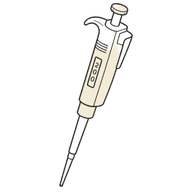
A PRODUCT CAMP4 THERAPEUTICS CORPORATION IS KNOWN FOR

CMP-SYNGAP-01
CMP-SYNGAP-01 is an investigational RNA therapy by CAMP4 targeting SYNGAP1-related epilepsy and intellectual disability, with toxicology studies underway to support future clinical trials.


Revenue by Products
| Icon | PRODUCT | Q1-2023 | Q2-2023 | Q3-2023 | Q4-2023 |
|---|---|---|---|---|---|
 | Product | $50.46M | $46.3M ▼ | $37.33M ▼ | $31.2M ▼ |
 | Application Subscriptions And Other Services | $28.05M | $24.59M ▼ | $24.39M ▼ | $22.42M ▼ |
Revenue by Geography
| Map | REGION | Q1-2023 | Q2-2023 | Q3-2023 | Q4-2023 |
|---|---|---|---|---|---|
 | UNITED STATES | $48.44M | $39.4M ▼ | $32.59M ▼ | $29.2M ▼ |
 | EMEA | — | $17M | $13.85M ▼ | $14.22M ▲ |
 | Asia Pacific | $4.85M | $6.16M ▲ | $7.64M ▲ | $4.82M ▼ |
 | Latin America | $8.83M | $7.1M ▼ | $5.25M ▼ | $3.87M ▼ |
 | All Other | $1.43M | $1.23M ▼ | $2.39M ▲ | $1.51M ▼ |
ETFS HOLDING THIS STOCK
ETFS HOLDING
46
LISTED HERE
9
RANKED BY POSITION SIZE


INSTITUTIONAL OWNERSHIP
SHARES OWNED
100.00%
HOLDERS
98
TOP 12 OF 98 · RANKED BY POSITION SIZE

Janus Henderson Group Plc

5am Venture Management, LLC

Fmr LLC

Vivo Capital, LLC

Enavate Sciences Gp, LLC

Blackrock Fund Advisors

Balyasny Asset Management L.P.

Adage Capital Partners Gp, L.L.C.

Ah Capital Management, L.L.C.

Vanguard Group Inc

Stonepine Capital Management, LLC

Harbourvest Partners LLC
RATINGS SNAPSHOT
Overall rating: C
Discounted Cash Flow1
Return On Equity5
Return On Assets1
Debt To Equity1
Price To Earnings1
Price To Book1
Overall Score2
INSIDER TRADES
★
DIRECTOR
Schwab Andrew J.
Sale · 10 shares
2026-08-24
★
DIRECTOR
Schwab Andrew J.
Sale · 45.1K shares
2026-08-19
★
DIRECTOR
Schwab Andrew J.
Sale · 32.0K shares
2026-08-21
★
DIRECTOR
Schwab Andrew J.
Sale · 114.7K shares
2026-08-20
MOST RECENT ANALYST GRADES
GRADE SUMMARY
OVERWEIGHT 2
OUTPERFORM 1
3 GRADES IN THE LAST 12 MONTHS


SECTORS PEERS
| PEER | PRICE | |
|---|---|---|
 ALXO ALXO | $2.00 | COMPARE |
 UNCY UNCY | $5.26 | COMPARE |
 BMEA BMEA | $1.73 | COMPARE |
 VXRT VXRT | $0.50 | COMPARE |
 ACRV ACRV | $2.06 | COMPARE |
 HYFT HYFT | $1.39 | COMPARE |
 PMVP PMVP | $1.22 | COMPARE |
 ATYR ATYR | $0.54 | COMPARE |