 Stock Taper
DMLP
$28.65
▼ DOWN 0.21% (-0.06)
KEY STATISTICS
Market Cap$1.38 B
52w High$29.26
52w Low$20.85
Dividend Yield11.49%
FrequencyQuarterly
P/E16.28
Volume78.51K
Shares Out.48.26M
COMPANY
LEADERSHIP

CHIEF EXECUTIVE
Bradley J. Ehrman
COMPENSATION 2026
Salary$445,000
Stock Awards$778,680
Incentive Plan Pay$0
All Other Comp.$70,000
Total$1,633,680
ABOUT
SECTOR
Energy
WENT PUBLIC
February 3, 2003
METHOD OF GOING PUBLIC
IPO
FULL TIME EMPLOYEES
26
UPCOMING EARNINGS
DateNov 5, 2026
DayThursday
Rev. Est.—
NOV
5
THU
SPLIT RECORD
| DATE | TYPE | RATIO |
|---|---|---|
| 1989-08-07 | Forward | 2:1 |
| 1987-11-02 | Forward | 3:1 |
PRICE
$28.65 ▼ DOWN 0.21% (−$0.06)About Dorchester Minerals, L.P.
https://www.dmlp.net ↗Dorchester Minerals, L.P. owns and manages natural gas and crude oil royalties, net profits, and leasehold interests across 26 U.S. states, serving as a leading mineral and royalty rights company since 1982.
INDUSTRY
Oil & Gas Exploration & Production
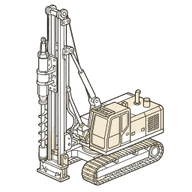
A SERVICE DORCHESTER MINERALS, L.P. IS KNOWN FOR
Royalty and Mineral Interests
Dorchester Minerals, L.P. is a publicly traded partnership that owns mineral and royalty interests in U.S. oil and gas properties, providing investors with cash distributions from production revenues.


Revenue by Products
| Icon | PRODUCT | Q3-2025 | Q4-2025 | Q1-2026 | Q2-2026 |
|---|---|---|---|---|---|
 | Royalties | $31.54M | $34.02M ▲ | $40.97M ▲ | $43.9M ▲ |
 | Net Profit Interests | $3.47M | $1.87M ▼ | $16.53M ▲ | $9.59M ▼ |
 | Other Revenue | $405K | $803K ▲ | $532K ▼ | $1.36M ▲ |
 | Lease Bonus | $4K | $5.7M ▲ | $849K ▼ | $1.23M ▲ |
ETFS HOLDING THIS STOCK
ETFS HOLDING
8
LISTED HERE
8
RANKED BY POSITION SIZE


INSTITUTIONAL OWNERSHIP
SHARES OWNED
16.90%
HOLDERS
206
TOP 12 OF 206 · RANKED BY POSITION SIZE

Morgan Stanley

Adams Asset Advisors, LLC

Horizon Kinetics Asset Management LLC

Turtle Creek Wealth Advisors, LLC

Hollow Brook Wealth Management LLC

Greenwich Investment Management, Inc.

Archpoint Investors

Meixler Investment Management, Ltd.

Small Cap Value Fund, Inc.

Pathstone Holdings, LLC

Royce & Associates LP

Freestone Capital Holdings, LLC
RATINGS SNAPSHOT
Overall rating: A-
Discounted Cash Flow4
Return On Equity5
Return On Assets5
Debt To Equity4
Price To Earnings2
Price To Book1
Overall Score4
TRADES BY CONGRESS
HOUSE TRADES

August Lee Pfluger
Purchase
2026-03-13
INSIDER TRADES
★
OFFICER: CHIEF FINANCIAL OFFICER
MORIYAMA LESLIE A
Purchase · 5.2K shares
2026-08-19
★
OTHER: ENTITY UNDER COMMON CONTROL
DORCHESTER MINERALS OPERATING LP
Purchase · 2.5K shares
2026-06-01
★
OTHER: ENTITY UNDER COMMON CONTROL
DORCHESTER MINERALS OPERATING LP
Purchase · 4.0K shares
2026-06-01
★
OTHER: ENTITY UNDER COMMON CONTROL
DORCHESTER MINERALS OPERATING LP
Purchase · 999 shares
2026-06-01
SECTORS PEERS
| PEER | PRICE | |
|---|---|---|
 NESR NESR | $34.44 | COMPARE |
 VET VET | $12.46 | COMPARE |
 KRP KRP | $14.91 | COMPARE |
 RES RES | $6.40 | COMPARE |
 NVGS NVGS | $22.06 | COMPARE |
 PUMP PUMP | $10.98 | COMPARE |
 VTOL VTOL | $43.73 | COMPARE |
 NPKI NPKI | $13.16 | COMPARE |