 Stock Taper
FTS
$54.66
▼ DOWN 0.35% (-0.19)
KEY STATISTICS
Market Cap$27.83 B
52w High$59.40
52w Low$48.64
Dividend Yield3.24%
FrequencyQuarterly
P/E21.78
Volume609.70K
Shares Out.509.13M
COMPANY
LEADERSHIP

CHIEF EXECUTIVE
David Gerard Hutchens
ABOUT
SECTOR
Utilities
WENT PUBLIC
January 5, 2010
METHOD OF GOING PUBLIC
IPO
FULL TIME EMPLOYEES
9,900
PRICE TARGET
Target High$60.00
Target Low$50.00
Target Median$55.00
Target Consensus$55.00
UPCOMING EARNINGS
DateNov 3, 2026
DayTuesday
Rev. Est.$2.02B
NOV
3
TUE
PRICE
$54.66 ▼ DOWN 0.35% (−$0.19)About Fortis Inc.
https://www.fortisinc.com ↗Fortis Inc. is a North American utility company providing electricity and natural gas services across Canada, the U.S., and Caribbean regions, with diverse generation assets and extensive distribution networks.
INDUSTRY
Regulated Electric
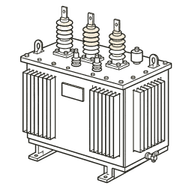
A SERVICE FORTIS INC. IS KNOWN FOR
Regulated Electricity and Gas Utility Services
Fortis Inc. is a regulated utility holding company providing electricity and natural gas to 3.5 million customers across Canada, the U.S., and the Caribbean, serving as a vital, low-risk energy infrastructure provider.


Revenue by Products
| Icon | PRODUCT | Q2-2019 | Q2-2021 | Q2-2022 | Q2-2023 |
|---|---|---|---|---|---|
 | UNS Energy Corporation | $500M | $556M ▲ | $648M ▲ | $661M ▲ |
 | ITC Holdings Corp | $428M | $418M ▼ | $468M ▲ | $519M ▲ |
 | Other Electric | $343M | $353M ▲ | $384M ▲ | $420M ▲ |
 | Fortis BC Energy Inc | $235M | $317M ▲ | $396M ▲ | $362M ▼ |
 | Central Hudson Gas and Electric Corporation | $199M | $207M ▲ | $281M ▲ | $317M ▲ |
 | Fortis Alberta Inc | $150M | $162M ▲ | $169M ▲ | $181M ▲ |
 | FortisBC Inc | $90M | $108M ▲ | $108M | $116M ▲ |
 | Energy Infrastructure | $25M | $9M ▼ | $33M ▲ | $18M ▼ |
 | Corporate and Other | $0 | $0 | $0 | $0 |
Revenue by Geography
| Map | REGION | Q2-2017 | Q2-2018 |
|---|---|---|---|
 | UNITED STATES | $552M | $475M ▼ |
 | CANADA | $85M | $147M ▲ |
 | Caribbean | $80M | $20M ▼ |
ETFS HOLDING THIS STOCK
ETFS HOLDING
25
LISTED HERE
15
RANKED BY POSITION SIZE


INSTITUTIONAL OWNERSHIP
SHARES OWNED
35.00%
HOLDERS
493
TOP 12 OF 493 · RANKED BY POSITION SIZE

Royal Bank Of Canada

Bank Of Montreal /Can/

Vanguard Group Inc

Fil Ltd

Td Asset Management Inc

Td Waterhouse Canada Inc.

Scotia Capital Inc.

Cibc World Market Inc.

1832 Asset Management L.P.

I.G. Investment Management, Ltd.

Geode Capital Management, LLC

National Bank Of Canada /Fi/
RATINGS SNAPSHOT
Overall rating: B-
Discounted Cash Flow1
Return On Equity3
Return On Assets3
Debt To Equity2
Price To Earnings2
Price To Book3
Overall Score2
INSIDER TRADES
★
OFFICER: VP, GENERAL COUNSEL
O'Dea Regan Patrick
Purchase · 577 shares
2026-03-02
★
OFFICER: VP, GENERAL COUNSEL
O'Dea Regan Patrick
— · —
2026-02-25
★
OFFICER: VP, GENERAL COUNSEL
O'Dea Regan Patrick
— · 865 shares
2026-02-25
★
OFFICER: VP, GENERAL COUNSEL
O'Dea Regan Patrick
— · 5.9K shares
2020-02-13
MOST RECENT ANALYST GRADES
GRADE SUMMARY
OVERWEIGHT 1
SECTOR PERFORM 1
2 GRADES IN THE LAST 12 MONTHS


SECTORS PEERS
| PEER | PRICE | |
|---|---|---|
 SO SO | $88.25 | COMPARE |
 AEE AEE | $106.12 | COMPARE |
 DTE DTE | $135.86 | COMPARE |
 AWK AWK | $138.30 | COMPARE |
 FE FE | $45.87 | COMPARE |
 PPL PPL | $34.20 | COMPARE |
 CMS CMS | $68.21 | COMPARE |