 Stock Taper
GBCI
$46.88
▼ DOWN 0.83% (-0.39)
KEY STATISTICS
Market Cap$6.10 B
52w High$54.58
52w Low$39.90
Dividend Yield2.61%
FrequencyQuarterly
P/E18.75
Volume898.13K
Shares Out.130.14M
COMPANY
LEADERSHIP

CHIEF EXECUTIVE
Randall Chesler
COMPENSATION 2026
Salary$0
Stock Awards$1,363,947
Incentive Plan Pay$1,076,450
All Other Comp.$28,000
Total$3,661,972
ABOUT
SECTOR
Financial Services
WENT PUBLIC
March 22, 1984
METHOD OF GOING PUBLIC
IPO
FULL TIME EMPLOYEES
4,125
PRICE TARGET
Target High$60.00
Target Low$54.00
Target Median$57.00
Target Consensus$57.00
UPCOMING EARNINGS
DateOct 15, 2026
DayThursday
Rev. Est.$332.12M
OCT
15
THU
SPLIT RECORD
| DATE | TYPE | RATIO |
|---|---|---|
| 2006-12-15 | Forward | 3:2 |
| 2005-05-27 | Forward | 5:4 |
| 2004-05-21 | Forward | 5:4 |
| 2003-05-09 | Forward | 11:10 |
| 2000-05-12 | Forward | 11:10 |
| 1999-05-14 | Forward | 11:10 |
| 1998-09-15 | Forward | 11:10 |
| 1997-05-27 | Forward | 3:2 |
| 1996-05-07 | Forward | 11:10 |
| 1995-05-10 | Forward | 11:10 |
PRICE
$46.88 ▼ DOWN 0.83% (−$0.39)About Glacier Bancorp, Inc.
http://www.glacierbancorp.com ↗Glacier Bancorp, Inc. is a bank holding company offering comprehensive commercial banking services, including deposits, loans, and mortgage origination, across 224 locations in eight U.S. states.
INDUSTRY
Banks - Regional
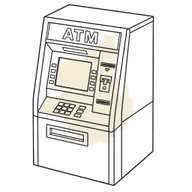
A PRODUCT GLACIER BANCORP, INC. IS KNOWN FOR

Totally Free Checking
Glacier Bank's personal checking account offers a straightforward, fee-free service with no monthly charges or minimum balance requirements, aimed at attracting a broad customer base.


Revenue by Products
| Icon | PRODUCT | Q2-2011 | Q3-2011 | Q1-2012 |
|---|---|---|---|---|
 | Parent | $16.47M | -$15.34M ▼ | $21.16M ▲ |
 | Citizens | $12K | $0 ▼ | $4.71M ▲ |
 | Valley | $67K | $87K ▲ | $111K ▲ |
 | Mountain West | $97K | $139K ▲ | $99K ▼ |
 | Glacier | $74K | $69K ▼ | $62K ▼ |
 | First Bank | — | $20K | $38K ▲ |
 | First Security | $19K | $19K | $19K |
 | San Juans | $42K | $35K ▼ | $17K ▼ |
 | First Bank of MT | $39K | $11K ▼ | $10K ▼ |
 | First Bank WY | $29K | $14K ▼ | $10K ▼ |
 | GORE | $219K | $390K ▲ | $9K ▼ |
 | First Bank Member | $9K | — | — |
 | Big Sky | $4K | $9K ▲ | $7K ▼ |
 | Western | $24K | $13K ▼ | $6K ▼ |
 | Eliminations | -$16.89M | $14.92M ▲ | -$21.54M ▼ |
Revenue by Geography
| Map | REGION | Q2-2011 | Q3-2011 | Q1-2012 |
|---|---|---|---|---|
 | Western | $24K | $13K ▼ | $6K ▼ |
ETFS HOLDING THIS STOCK
ETFS HOLDING
204
LISTED HERE
26
RANKED BY POSITION SIZE


INSTITUTIONAL OWNERSHIP
SHARES OWNED
65.40%
HOLDERS
608
TOP 12 OF 608 · RANKED BY POSITION SIZE

Blackrock, Inc.

Blackrock Inc.

Vanguard Group Inc

State Street Corp

Blackrock Fund Advisors

Capital Research Global Investors

Neuberger Berman Group LLC

Geode Capital Management, LLC

Goldman Sachs Group Inc

Cooke & Bieler LP

Silvercrest Asset Management Group LLC

Dimensional Fund Advisors LP
RATINGS SNAPSHOT
Overall rating: B-
Discounted Cash Flow4
Return On Equity3
Return On Assets3
Debt To Equity2
Price To Earnings1
Price To Book2
Overall Score3
TRADES BY CONGRESS
HOUSE TRADES

Gilbert Cisneros
Purchase
2026-01-15

Josh Gottheimer
Sale (Partial)
2024-12-06
INSIDER TRADES
★
OFFICER: CHIEF ADMINISTRATIVE OFFICER
Screnar Ryan Thomas
Purchase · 187 shares
2026-02-23
★
OFFICER: CHIEF EXPERIENCE OFFICER
Groom Lee Kenneth
Sale · 738 shares
2026-02-13
★
DIRECTOR
Noymer Levine Beth
Purchase · 1.5K shares
2026-02-13
★
DIRECTOR, OTHER: CHAIRMAN OF THE BOARD
Langel Craig A
Purchase · 1.5K shares
2026-02-13
MOST RECENT ANALYST GRADES
GRADE SUMMARY
OVERWEIGHT 2
OUTPERFORM 2
BUY 1
5 GRADES IN THE LAST 12 MONTHS


SECTORS PEERS
| PEER | PRICE | |
|---|---|---|
 VLY VLY | $13.92 | COMPARE |
 UBSI UBSI | $47.60 | COMPARE |
 AVAL AVAL | $5.25 | COMPARE |
 HWC HWC | $75.07 | COMPARE |
 IFS IFS | $54.65 | COMPARE |
 AUB AUB | $40.66 | COMPARE |
 ABCB ABCB | $85.59 | COMPARE |
 AX AX | $97.85 | COMPARE |