 Stock Taper
HUBB
$459.66
▼ DOWN 2.26% (-10.62)
KEY STATISTICS
Market Cap$24.29 B
52w High$565.50
52w Low$403.82
Dividend Yield1.14%
FrequencyQuarterly
P/E24.50
Volume267.84K
Shares Out.52.83M
COMPANY
LEADERSHIP

CHIEF EXECUTIVE
Gerben W. Bakker
COMPENSATION 2026
Salary$1,146,923
Stock Awards$5,526,100
Incentive Plan Pay$1,330,600
All Other Comp.$225,730
Total$10,346,752
ABOUT
SECTOR
Industrials
WENT PUBLIC
June 5, 1972
METHOD OF GOING PUBLIC
N/A
FULL TIME EMPLOYEES
19,400
PRICE TARGET
Target High$600.00
Target Low$503.00
Target Median$550.00
Target Consensus$546.60
UPCOMING EARNINGS
DateOct 27, 2026
DayTuesday
Rev. Est.$1.85B
OCT
27
TUE
SPLIT RECORD
| DATE | TYPE | RATIO |
|---|---|---|
| 1996-08-12 | Forward | 2:1 |
| 1995-01-09 | Forward | 21:20 |
| 1992-01-06 | Forward | 21:20 |
| 1991-01-07 | Forward | 21:20 |
| 1990-01-08 | Forward | 21:20 |
| 1989-01-09 | Forward | 21:20 |
| 1985-08-12 | Forward | 2:1 |
| 1981-02-11 | Forward | 2:1 |
| 1980-02-11 | Forward | 2:1 |
| 1977-08-08 | Forward | 4:3 |
PRICE
$459.66 ▼ DOWN 2.26% (−$10.62)About Hubbell Incorporated
https://www.hubbell.com ↗Hubbell Incorporated designs, manufactures, and sells electrical and electronic products globally through Electrical and Utility Solutions segments, serving industrial, commercial, utility, and telecommunications markets.
INDUSTRY
Electrical Equipment & Parts
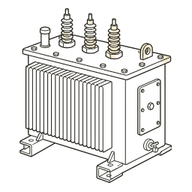
A PRODUCT HUBBELL INCORPORATED IS KNOWN FOR

Twist-Lock® Edge Series Receptacles
An industrial and commercial electrical receptacle line with patented screwless termination, enabling faster, more reliable wiring, reducing installation time by over 80%, and ensuring secure connections in demanding environments.


Revenue by Products
| Icon | PRODUCT | Q2-2025 | Q3-2025 | Q4-2025 | Q2-2026 |
|---|---|---|---|---|---|
 | Utility Solutions Segment | $935.5M | $943.8M ▲ | $935.9M ▼ | $1.03B ▲ |
 | Electrical Segment | $548.8M | $558.6M ▲ | $556.8M ▼ | $686M ▲ |
Revenue by Geography
| Map | REGION | Q3-2025 | Q2-2026 |
|---|---|---|---|
 | Utility Solutions Segment | $943.8M | $1.03B ▲ |
| Electrical Segment | $558.6M | $686M ▲ |
ETFS HOLDING THIS STOCK
ETFS HOLDING
754
LISTED HERE
26
RANKED BY POSITION SIZE


INSTITUTIONAL OWNERSHIP
SHARES OWNED
61.80%
HOLDERS
1,300
TOP 12 OF 1,300 · RANKED BY POSITION SIZE

Vanguard Group Inc

Blackrock Inc.

Blackrock, Inc.

Wellington Management Group Llp

State Street Corp

Bank Of New York Mellon Corp

Blackrock Fund Advisors

Massachusetts Financial Services Co /Ma/

Blackrock Institutional Trust Company, N.A.

Geode Capital Management, LLC

Invesco Ltd.

Price T Rowe Associates Inc /Md/
RATINGS SNAPSHOT
Overall rating: B
Discounted Cash Flow4
Return On Equity5
Return On Assets4
Debt To Equity1
Price To Earnings2
Price To Book1
Overall Score3
TRADES BY CONGRESS
HOUSE TRADES

April Delaney
Purchase
2026-07-23

Ro Khanna
Sale
2026-07-07

Jefferson Shreve
Purchase
2025-03-31
SENATE TRADES

Markwayne Mullin
Sale (Full)
2024-01-04
INSIDER TRADES
★
DIRECTOR
LIND BONNIE CRUICKSHANK
Purchase · 65 shares
2026-08-14
★
DIRECTOR
KEATING NEAL J.
Purchase · 31 shares
2026-08-14
★
DIRECTOR
Guzzi Anthony
Purchase · 76 shares
2026-08-14
★
OFFICER: VICE PRESIDENT, CONTROLLER
DEL NERO JONATHAN M.
Sale · 547 shares
2026-08-11
MOST RECENT ANALYST GRADES
GRADE SUMMARY
EQUAL WEIGHT 2
OVERWEIGHT 2
OUTPERFORM 2
NEUTRAL 1
7 GRADES IN THE LAST 12 MONTHS


SECTORS PEERS
| PEER | PRICE | |
|---|---|---|
 ODFL ODFL | $198.63 | COMPARE |
 ESLT ESLT | $708.68 | COMPARE |
 EME EME | $740.17 | COMPARE |
 DOV DOV | $198.68 | COMPARE |
 VLTO VLTO | $98.56 | COMPARE |
 NVT NVT | $148.48 | COMPARE |
 AER AER | $147.49 | COMPARE |
 EFX EFX | $194.35 | COMPARE |