 Stock Taper
IOT
$40.85
▼ DOWN 0.75% (-0.31)
KEY STATISTICS
Market Cap$23.79 B
52w High$47.47
52w Low$23.38
Dividend Yield—
Frequency—
P/E65.89
Volume8.06M
Shares Out.577.06M
COMPANY
LEADERSHIP

CHIEF EXECUTIVE
Sanjit Biswas
COMPENSATION 2026
Salary$50,000
Stock Awards$18,069,159
Incentive Plan Pay$63,945
All Other Comp.$1,541
Total$18,184,644
ABOUT
SECTOR
Technology
WENT PUBLIC
December 15, 2021
METHOD OF GOING PUBLIC
IPO
FULL TIME EMPLOYEES
4,100
PRICE TARGET
Target High$50.00
Target Low$38.00
Target Median$45.00
Target Consensus$45.00
UPCOMING EARNINGS
DateSep 3, 2026
DayThursday
Rev. Est.$483.29M
SEP
3
THU
PRICE
$40.85 ▼ DOWN 0.75% (−$0.31)About Samsara Inc.
https://www.samsara.com ↗Samsara Inc. offers a Connected Operations Cloud that integrates IoT data, AI, and analytics to enhance safety, efficiency, and visibility across diverse industries worldwide.
INDUSTRY
Software - Infrastructure
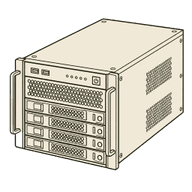
A PRODUCT SAMSARA INC. IS KNOWN FOR

Asset Tag
An enterprise hardware device utilizing Samsara's IoT network to track high-value assets in real-time, reducing downtime and costs from loss or theft in industries like construction and transportation.


Revenue by Products
| Icon | PRODUCT | Q2-2026 | Q3-2026 | Q4-2026 | Q1-2027 |
|---|---|---|---|---|---|
 | Subscription and Circulation | $383.89M | $408.12M ▲ | $436.77M ▲ | $470.98M ▲ |
 | Product and Service Other | $7.59M | $7.85M ▲ | $7.53M ▼ | $7.87M ▲ |
Revenue by Geography
| Map | REGION | Q2-2026 | Q3-2026 | Q4-2026 | Q1-2027 |
|---|---|---|---|---|---|
 | UNITED STATES | $334.96M | $355.19M ▲ | $378.37M ▲ | $406.53M ▲ |
 | NonUS | $56.52M | $60.79M ▲ | $65.93M ▲ | $72.31M ▲ |
ETFS HOLDING THIS STOCK
ETFS HOLDING
401
LISTED HERE
26
RANKED BY POSITION SIZE


INSTITUTIONAL OWNERSHIP
SHARES OWNED
48.86%
HOLDERS
752
TOP 12 OF 752 · RANKED BY POSITION SIZE

Baillie Gifford & Co

Price T Rowe Associates Inc /Md/

Vanguard Group Inc

Fmr LLC

Blackrock, Inc.

Morgan Stanley

Sands Capital Management, LLC

Goldman Sachs Group Inc

Brown Advisory Inc

Wellington Management Group Llp

General Catalyst Group Management, LLC

Blackrock Inc.
RATINGS SNAPSHOT
Overall rating: B
Discounted Cash Flow4
Return On Equity3
Return On Assets3
Debt To Equity4
Price To Earnings1
Price To Book1
Overall Score3
TRADES BY CONGRESS
HOUSE TRADES

Ro Khanna
Purchase
2025-10-17

Daniel Goldman
Sale
2023-07-12
INSIDER TRADES
★
OFFICER: SEE REMARKS
Eltoukhy Adam
Sale · 6.9K shares
2026-08-25
★
DIRECTOR, 10 PERCENT OWNER, OFFICER: SEE REMARKS
Bicket John
Sale · 87.4K shares
2026-08-18
★
DIRECTOR, 10 PERCENT OWNER, OFFICER: CHIEF EXECUTIVE OFFICER
Biswas Sanjit
Sale · 27.1K shares
2026-08-19
★
DIRECTOR, 10 PERCENT OWNER, OFFICER: CHIEF EXECUTIVE OFFICER
Biswas Sanjit
Sale · 49.6K shares
2026-08-19
MOST RECENT ANALYST GRADES
GRADE SUMMARY
BUY 4
OVERWEIGHT 2
OUTPERFORM 2
NEUTRAL 2
HOLD 1
EQUAL WEIGHT 1
12 GRADES IN THE LAST 12 MONTHS


SECTORS PEERS
| PEER | PRICE | |
|---|---|---|
 VRSN VRSN | $289.90 | COMPARE |
 AFRM AFRM | $75.16 | COMPARE |
 TOST TOST | $34.07 | COMPARE |
 NTNX NTNX | $68.29 | COMPARE |
 PTC PTC | $157.12 | COMPARE |
 CHKP CHKP | $139.36 | COMPARE |
 FIG FIG | $27.71 | COMPARE |
 GDDY GDDY | $97.66 | COMPARE |