 Stock Taper
MCK
$924.78
▲ UP 1.99% (18.01)
KEY STATISTICS
Market Cap$108.24 B
52w High$999.00
52w Low$682.35
Dividend Yield0.41%
FrequencyQuarterly
P/E22.66
Volume821.54K
Shares Out.117.08M
COMPANY
LEADERSHIP

CHIEF EXECUTIVE
Brian S. Tyler
COMPENSATION 2026
Salary$1,591,667
Stock Awards$17,201,202
Incentive Plan Pay$4,456,668
All Other Comp.$963,507
Total$24,213,044
ABOUT
SECTOR
Healthcare
WENT PUBLIC
November 10, 1994
METHOD OF GOING PUBLIC
IPO
FULL TIME EMPLOYEES
42,300
PRICE TARGET
Target High$1085.00
Target Low$845.00
Target Median$985.00
Target Consensus$971.63
UPCOMING EARNINGS
DateNov 4, 2026
DayWednesday
Rev. Est.$109.91B
NOV
4
WED
SPLIT RECORD
| DATE | TYPE | RATIO |
|---|---|---|
| 1998-01-05 | Forward | 2:1 |
PRICE
$924.78 ▲ UP 1.99% (+$18.01)About McKesson Corporation
https://www.mckesson.com ↗McKesson Corporation, founded in 1833 and headquartered in Texas, provides healthcare services globally through segments including pharmaceutical distribution, medical-surgical supplies, international distribution, and prescription technology solu...
INDUSTRY
Medical - Distribution
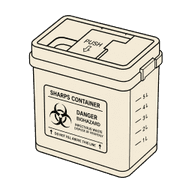
A PRODUCT MCKESSON CORPORATION IS KNOWN FOR

Foster & Thrive
Foster & Thrive, McKesson's private label of over 270 OTC health and wellness products, consolidates Health Mart and Sunmark lines, highlighting the company's focus on the consumer health market.


Revenue by Products
| Icon | PRODUCT | Q2-2026 | Q3-2026 | Q4-2026 | Q1-2027 |
|---|---|---|---|---|---|
 | North American Pharmaceutical Segment | $86.48B | $88.32B ▲ | $161.85B ▲ | $86.77B ▼ |
 | Oncology And Multispecialty Segment | $12.04B | $13.01B ▲ | $23.37B ▲ | $14.22B ▼ |
 | MedicalSurgical Solutions Segment | $2.95B | $2.99B ▲ | $2.87B ▼ | $2.82B ▼ |
 | Prescription Technology Solutions Segment | $1.38B | $1.5B ▲ | $2.93B ▲ | $1.57B ▼ |
 | Segment Reporting Reconciling Item Excluding Corporate Nonsegment | $302M | $335M ▲ | $406M ▲ | — |
Revenue by Geography
| Map | REGION | Q2-2020 | Q3-2020 | Q4-2020 | Q1-2021 |
|---|---|---|---|---|---|
 | UNITED STATES | $48.29B | $49.31B ▲ | $48.79B ▼ | $47.13B ▼ |
 | International Segment | $9.32B | $9.86B ▲ | $9.75B ▼ | $8.55B ▼ |
ETFS HOLDING THIS STOCK
ETFS HOLDING
869
LISTED HERE
26
RANKED BY POSITION SIZE


INSTITUTIONAL OWNERSHIP
SHARES OWNED
61.85%
HOLDERS
2,716
TOP 12 OF 2,716 · RANKED BY POSITION SIZE

Vanguard Group Inc

Blackrock, Inc.

Blackrock Inc.

Blackrock Institutional Trust Company, N.A.

State Street Corp

Morgan Stanley

Massachusetts Financial Services Co /Ma/

Fmr LLC

Jpmorgan Chase & Co

Blackrock Fund Advisors

Franklin Resources Inc

Geode Capital Management, LLC
RATINGS SNAPSHOT
Overall rating: B-
Discounted Cash Flow5
Return On Equity1
Return On Assets4
Debt To Equity1
Price To Earnings2
Price To Book1
Overall Score2
TRADES BY CONGRESS
HOUSE TRADES

Elizabeth Fletcher
Sale
2026-04-08

Lizzie Fletcher
Sale
2026-04-08
SENATE TRADES

Markwayne Mullin
Purchase
2026-02-04
HOUSE TRADES

Gilbert Cisneros
Sale (Full)
2025-12-19
INSIDER TRADES
★
OFFICER: EVP AND CHIEF STRATEGY OFFICER
Srinivasan Ramesh (NMN)
Purchase · 368 shares
2026-08-07
★
DIRECTOR
Lerman Bradley E
Sale · 301 shares
2026-08-10
★
OFFICER: EVP AND CHIEF STRATEGY OFFICER
Srinivasan Ramesh (NMN)
— · —
2026-08-01
★
OFFICER: EVP AND CHIEF STRATEGY OFFICER
Srinivasan Ramesh (NMN)
— · 316 shares
2026-08-01
MOST RECENT ANALYST GRADES
GRADE SUMMARY
BUY 6
OVERWEIGHT 3
OUTPERFORM 3
EQUAL WEIGHT 1
NEUTRAL 1
14 GRADES IN THE LAST 12 MONTHS


SECTORS PEERS
| PEER | PRICE | |
|---|---|---|
 VRTX VRTX | $553.57 | COMPARE |
 BMY BMY | $67.33 | COMPARE |
 CVS CVS | $98.00 | COMPARE |
 SYK SYK | $313.68 | COMPARE |
 MDT MDT | $93.20 | COMPARE |
 SNY SNY | $44.62 | COMPARE |
 GSK GSK | $50.41 | COMPARE |
 HCA HCA | $407.35 | COMPARE |