 Stock Taper
PRMB
$22.00
▲ UP 0.41% (0.09)
KEY STATISTICS
Market Cap$7.98 B
52w High$26.21
52w Low$14.36
Dividend Yield2.03%
FrequencyQuarterly
P/E17.32
Volume5.59M
Shares Out.362.87M
COMPANY
LEADERSHIP

CHIEF EXECUTIVE
Eric J. Foss
COMPENSATION 2026
Salary$161,538
Stock Awards$14,418,944
Incentive Plan Pay$0
All Other Comp.$327,609
Total$14,908,091
ABOUT
SECTOR
Consumer Defensive
WENT PUBLIC
June 15, 1992
METHOD OF GOING PUBLIC
IPO
FULL TIME EMPLOYEES
12,000
PRICE TARGET
Target High$31.00
Target Low$25.00
Target Median$29.00
Target Consensus$27.80
UPCOMING EARNINGS
DateNov 5, 2026
DayThursday
Rev. Est.$1.82B
NOV
5
THU
SPLIT RECORD
| DATE | TYPE | RATIO |
|---|---|---|
| 1993-07-26 | Forward | 2:1 |
| 1992-07-23 | Forward | 2:1 |
PRICE
$22.00 ▲ UP 0.41% (+$0.09)About Primo Brands Corporation
https://www.primobrands.com ↗Primo Water Corporation, formerly Cott, provides bottled water, filtration services, and related products to consumers and businesses across North America and Europe.
INDUSTRY
Beverages - Non-Alcoholic
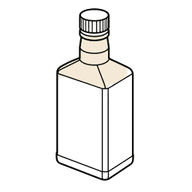
A PRODUCT PRIMO BRANDS CORPORATION IS KNOWN FOR

Poland Spring® Brand 100% Natural Spring Water (1.5 Liter Bottle)
A popular bottled spring water from Maine, part of Primo Brands' billion-dollar portfolio, emphasizing accessible, healthy hydration for a broad consumer market.


Revenue by Products
| Icon | PRODUCT | Q3-2025 | Q4-2025 | Q1-2026 | Q2-2026 |
|---|---|---|---|---|---|
 | Product and Service Other | $191.8M | $188.4M ▼ | $177.7M ▼ | $183.1M ▲ |
ETFS HOLDING THIS STOCK
ETFS HOLDING
171
LISTED HERE
26
RANKED BY POSITION SIZE


INSTITUTIONAL OWNERSHIP
SHARES OWNED
55.02%
HOLDERS
520
TOP 12 OF 520 · RANKED BY POSITION SIZE

Fmr LLC

Viking Global Investors LP

Vanguard Group Inc

Sachem Head Capital Management LP

Samlyn Capital, LLC

Ameriprise Financial Inc

Fuller & Thaler Asset Management, Inc.

William Blair Investment Management, LLC

D1 Capital Partners L.P.

Blackrock, Inc.

Palestra Capital Management LLC

Point72 Asset Management, L.P.
RATINGS SNAPSHOT
Overall rating: C+
Discounted Cash Flow5
Return On Equity2
Return On Assets2
Debt To Equity1
Price To Earnings1
Price To Book2
Overall Score2
TRADES BY CONGRESS
SENATE TRADES

Markwayne Mullin
Sale (Full)
2025-12-18
INSIDER TRADES
★
DIRECTOR, OFFICER: EXEC. CHAIR AND CEO
FOSS ERIC J
Purchase · 100 shares
2026-08-10
★
DIRECTOR, OFFICER: EXEC. CHAIR AND CEO
FOSS ERIC J
Purchase · 83.9K shares
2026-08-10
★
10 PERCENT OWNER
ORCP III DE TopCo GP, LLC
Sale · 20.4M shares
2026-08-07
★
DIRECTOR, 10 PERCENT OWNER:
Lee Tony W
Sale · 20.4M shares
2026-08-07
MOST RECENT ANALYST GRADES
GRADE SUMMARY
OVERWEIGHT 3
OUTPERFORM 2
BUY 2
HOLD 1
NEUTRAL 1
9 GRADES IN THE LAST 12 MONTHS


SECTORS PEERS
| PEER | PRICE | |
|---|---|---|
 COKE COKE | $190.35 | COMPARE |
 SFD SFD | $22.02 | COMPARE |
 TAP TAP | $40.47 | COMPARE |
 CAG CAG | $15.55 | COMPARE |
 PPC PPC | $30.49 | COMPARE |
 LW LW | $50.23 | COMPARE |
 INGR INGR | $102.04 | COMPARE |
 CPB CPB | $21.49 | COMPARE |