 Stock Taper
SOMN
$45.87
▼ DOWN 0.95% (-0.44)
KEY STATISTICS
Market Cap$100.48 B
52w High$53.99
52w Low$45.78
Dividend Yield6.61%
FrequencyQuarterly
P/E24.53
Volume205.72K
Shares Out.1.12B
COMPANY
LEADERSHIP

CHIEF EXECUTIVE
Christopher C. Womack
ABOUT
SECTOR
Utilities
WENT PUBLIC
November 4, 2025
METHOD OF GOING PUBLIC
IPO
FULL TIME EMPLOYEES
28,314
UPCOMING EARNINGS
DateOct 29, 2026
DayThursday
Rev. Est.$8.22B
OCT
29
THU
PRICE
$45.87 ▼ DOWN 0.95% (−$0.44)About The Southern Company
https://www.southerncompany.com ↗The Southern Company, founded in 1946 and based in Atlanta, Georgia, generates, transmits, and distributes electricity and natural gas, develops renewable energy, operates pipelines, and offers energy, communications, and microgrid solutions.
INDUSTRY
Regulated Electric
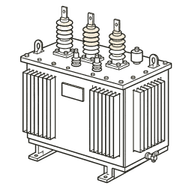
A SERVICE THE SOUTHERN COMPANY IS KNOWN FOR
Vogtle Electric Generating Plant Units 3 & 4
The Southern Company's flagship clean energy project, Vogtle Units 3 and 4, are the first new U.S. nuclear reactors in over 30 years, making Plant Vogtle the nation's largest carbon-free energy generator, powering approximately 1 million homes and...


RATINGS SNAPSHOT
Overall rating: B-
Discounted Cash Flow1
Return On Equity4
Return On Assets3
Debt To Equity1
Price To Earnings3
Price To Book3
Overall Score3
INSIDER TRADES
★
OFFICER: CHAIRMAN,PRESIDENT & CEO, SNC
Sena Peter P III
Sale · 4.3K shares
2026-09-03
★
OFFICER: COMPTROLLER
Kim Matthew M.
Sale · 1.4K shares
2026-09-03
★
OFFICER: COMPTROLLER
Kim Matthew M.
Sale · 100 shares
2026-09-01
★
OFFICER: EVP & CLO
Spainhour Sterling A Jr.
Sale · 3.3K shares
2026-08-06
SECTORS PEERS
| PEER | PRICE | |
|---|---|---|
 DUK-PA DUK-PA | $22.61 | COMPARE |
 TXNM TXNM | $58.44 | COMPARE |
 MAGN MAGN | $11.50 | COMPARE |