 Stock Taper
HQY
$96.37
▲ UP 3.19% (2.98)
KEY STATISTICS
Market Cap$8.06 B
52w High$107.62
52w Low$72.76
Dividend Yield—
Frequency—
P/E22.52
Volume2.26M
Shares Out.83.60M
COMPANY
LEADERSHIP

CHIEF EXECUTIVE
Scott R. Cutler
COMPENSATION 2026
Salary$775,000
Stock Awards$12,038,563
Incentive Plan Pay$767,250
All Other Comp.$1,292
Total$13,582,105
ABOUT
SECTOR
Healthcare
WENT PUBLIC
July 31, 2014
METHOD OF GOING PUBLIC
IPO
FULL TIME EMPLOYEES
2,814
PRICE TARGET
Target High$115.00
Target Low$105.00
Target Median$111.00
Target Consensus$110.00
UPCOMING EARNINGS
DateDec 2, 2026
DayWednesday
Rev. Est.$346.88M
DEC
2
WED
PRICE
$96.37 ▲ UP 3.19% (+$2.98)About HealthEquity, Inc.
https://www.healthequity.com ↗HealthEquity, Inc. offers cloud-based platforms and services for health savings, spending, and investment management, serving consumers and employers across the U.S. since 2002.
INDUSTRY
Medical - Healthcare Information Services
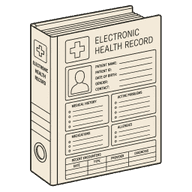
A SERVICE HEALTHEQUITY, INC. IS KNOWN FOR
Health Savings Account (HSA)
HealthEquity's HSA is a tax-advantaged savings account that helps individuals save and invest for current and future medical expenses, offering tax benefits and serving as a vital tool for healthcare financial management.


Revenue by Products
| Icon | PRODUCT | Q3-2026 | Q4-2026 | Q1-2027 | Q2-2027 |
|---|---|---|---|---|---|
 | Financial Service Other | $159.07M | $161.4M ▲ | $174.33M ▲ | $175.94M ▲ |
 | Service | $120.29M | $127.08M ▲ | $122.93M ▼ | $124.44M ▲ |
 | Credit and Debit Card | $42.81M | $46.1M ▲ | $57.38M ▲ | $50.35M ▼ |
ETFS HOLDING THIS STOCK
ETFS HOLDING
236
LISTED HERE
26
RANKED BY POSITION SIZE


INSTITUTIONAL OWNERSHIP
SHARES OWNED
74.23%
HOLDERS
780
TOP 12 OF 780 · RANKED BY POSITION SIZE

Blackrock, Inc.

Blackrock Inc.

Vanguard Group Inc

Wasatch Advisors LP

Morgan Stanley

Blackrock Fund Advisors

Fmr LLC

State Street Corp

Geode Capital Management, LLC

Invesco Ltd.

Aqr Capital Management LLC

Janus Henderson Investors Us LLC
RATINGS SNAPSHOT
Overall rating: A-
Discounted Cash Flow5
Return On Equity4
Return On Assets4
Debt To Equity4
Price To Earnings1
Price To Book2
Overall Score4
TRADES BY CONGRESS
HOUSE TRADES

Gilbert Cisneros
Purchase
2026-06-30

Lisa McClain
Sale (Full)
2025-06-17

Rob Bresnahan
Sale
2025-01-13

Josh Gottheimer
Sale
2024-11-07
INSIDER TRADES
★
DIRECTOR
DILLON ADRIAN T
Purchase · 7.6K shares
2026-08-25
★
DIRECTOR
DILLON ADRIAN T
Sale · 6.3K shares
2026-08-25
★
DIRECTOR
DILLON ADRIAN T
Sale · 1.3K shares
2026-08-25
★
DIRECTOR
DILLON ADRIAN T
Sale · 7.6K shares
2026-08-25
MOST RECENT ANALYST GRADES
GRADE SUMMARY
BUY 3
OUTPERFORM 3
OVERWEIGHT 3
MARKET OUTPERFORM 1
SELL 1
11 GRADES IN THE LAST 12 MONTHS


SECTORS PEERS
| PEER | PRICE | |
|---|---|---|
 PEN PEN | $321.68 | COMPARE |
 CORT CORT | $113.88 | COMPARE |
 BTSG BTSG | $59.13 | COMPARE |
 DVA DVA | $180.68 | COMPARE |
 GMED GMED | $82.97 | COMPARE |
 MOH MOH | $200.00 | COMPARE |
 BIO BIO | $387.70 | COMPARE |
 HSIC HSIC | $89.52 | COMPARE |