 Stock Taper
HUN
$9.47
▼ DOWN 1.87% (-0.18)
KEY STATISTICS
Market Cap$1.66 B
52w High$16.09
52w Low$7.30
Dividend Yield3.59%
FrequencyQuarterly
P/E-11.84
Volume1.62M
Shares Out.175.39M
COMPANY
LEADERSHIP

CHIEF EXECUTIVE
Peter R. Huntsman
COMPENSATION 2026
Salary$1,334,125
Stock Awards$10,513,393
Incentive Plan Pay$1,329,561
All Other Comp.$201,273
Total$14,666,623
ABOUT
SECTOR
Basic Materials
WENT PUBLIC
February 14, 2005
METHOD OF GOING PUBLIC
IPO
FULL TIME EMPLOYEES
6,000
PRICE TARGET
Target High$16.00
Target Low$10.00
Target Median$11.50
Target Consensus$12.00
UPCOMING EARNINGS
DateNov 5, 2026
DayThursday
Rev. Est.$1.61B
NOV
5
THU
SPLIT RECORD
| DATE | TYPE | RATIO |
|---|---|---|
| 2014-07-04 | Forward | 10:1 |
PRICE
$9.47 ▼ DOWN 1.87% (−$0.18)About Huntsman Corporation
https://www.huntsman.com ↗Huntsman Corporation, founded in 1970 and based in Texas, manufactures and sells differentiated organic chemicals across four segments—Polyurethanes, Performance Products, Advanced Materials, and Textile Effects—for diverse industries worldwide.
INDUSTRY
Chemicals
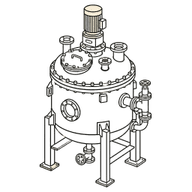
A PRODUCT HUNTSMAN CORPORATION IS KNOWN FOR

E-GRADE® Semiconductor-Grade Amines
Huntsman's Performance Products division offers high-purity, low-trace metal amines vital for advanced semiconductor manufacturing, supporting the booming AI and advanced chip industries.


Revenue by Products
| Icon | PRODUCT | Q3-2025 | Q4-2025 | Q1-2026 | Q2-2026 |
|---|---|---|---|---|---|
 | Diversified | $1.2B | $1.12B ▼ | $1.15B ▲ | $1.36B ▲ |
 | Specialty | $254M | $231M ▼ | $265M ▲ | $300M ▲ |
 | Product and Service Other | $11M | $12M ▲ | $14M ▲ | $13M ▼ |
Revenue by Geography
| Map | REGION | Q3-2025 | Q4-2025 | Q1-2026 | Q2-2026 |
|---|---|---|---|---|---|
 | US And Canada | $568M | $524M ▼ | $541M ▲ | $658M ▲ |
 | Asia Pacific | $417M | $395M ▼ | $389M ▼ | $448M ▲ |
 | Europe | $373M | $345M ▼ | $387M ▲ | $441M ▲ |
 | Rest Of World | $102M | $91M ▼ | $103M ▲ | $116M ▲ |
ETFS HOLDING THIS STOCK
ETFS HOLDING
163
LISTED HERE
26
RANKED BY POSITION SIZE


INSTITUTIONAL OWNERSHIP
SHARES OWNED
68.95%
HOLDERS
678
TOP 12 OF 678 · RANKED BY POSITION SIZE

Blackrock, Inc.

Vanguard Group Inc

Blackrock Inc.

Aqr Capital Management LLC

Appaloosa Management LP

Dimensional Fund Advisors LP

Price T Rowe Associates Inc /Md/

American Century Companies Inc

Ubs Group AG

Charles Schwab Investment Management Inc

Invesco Ltd.

Blackrock Fund Advisors
RATINGS SNAPSHOT
Overall rating: C+
Discounted Cash Flow5
Return On Equity1
Return On Assets1
Debt To Equity1
Price To Earnings1
Price To Book4
Overall Score2
TRADES BY CONGRESS
HOUSE TRADES

Daniel Goldman
Sale
2023-04-10

Lois Frankel
Sale (Full)
2021-08-12

Peter Meijer
Sale (Full)
2021-02-16
SENATE TRADES

David Perdue
Sale (Full)
2020-04-14
INSIDER TRADES
★
DIRECTOR, OFFICER: CHAIRMAN, PRESIDENT & CEO
Huntsman Peter R
Purchase · 100.0K shares
2026-08-03
★
OFFICER: DIVISION PRESIDENT
Buberl Jan
Sale · 422 shares
2026-07-31
★
OFFICER: DIVISION PRESIDENT
Hansen Steen Weien
Sale · 3.1K shares
2026-02-13
★
DIRECTOR
ESPELAND CURTIS E
Purchase · 12.4K shares
2026-02-12
MOST RECENT ANALYST GRADES
GRADE SUMMARY
NEUTRAL 4
EQUAL WEIGHT 2
SECTOR PERFORM 1
UNDERPERFORM 1
SELL 1
BUY 1
10 GRADES IN THE LAST 12 MONTHS


SECTORS PEERS
| PEER | PRICE | |
|---|---|---|
 KALU KALU | $156.38 | COMPARE |
 CC CC | $15.62 | COMPARE |
 CRML CRML | $7.12 | COMPARE |
 LAC LAC | $3.07 | COMPARE |
 BAK BAK | $1.68 | COMPARE |
 ASPI ASPI | $3.88 | COMPARE |
 IPX IPX | $21.01 | COMPARE |