 Stock Taper
LXU
$11.30
▲ UP 0.62% (0.07)
KEY STATISTICS
Market Cap$812.91 M
52w High$17.22
52w Low$7.71
Dividend Yield0.87%
FrequencySemi-Annual
P/E22.60
Volume642.27K
Shares Out.71.94M
COMPANY
LEADERSHIP

CHIEF EXECUTIVE
Mark T. Behrman
COMPENSATION 2026
Salary$785,731
Stock Awards$3,448,209
Incentive Plan Pay$1,073,600
All Other Comp.$20,255
Total$5,327,795
ABOUT
SECTOR
Basic Materials
WENT PUBLIC
January 2, 1980
METHOD OF GOING PUBLIC
N/A
FULL TIME EMPLOYEES
513
PRICE TARGET
Target High$16.00
Target Low$13.00
Target Median$14.50
Target Consensus$14.50
UPCOMING EARNINGS
DateNov 4, 2026
DayWednesday
Rev. Est.$165.37M
NOV
4
WED
SPLIT RECORD
| DATE | TYPE | RATIO |
|---|---|---|
| 2021-10-12 | Forward | 13:10 |
| 2021-09-24 | Forward | 13:10 |
| 1982-06-14 | Forward | 21:20 |
| 1981-12-09 | Forward | 21:20 |
| 1981-06-15 | Forward | 21:20 |
| 1980-11-21 | Forward | 21:20 |
| 1980-06-16 | Forward | 21:20 |
| 1979-12-11 | Forward | 21:20 |
| 1979-12-10 | Forward | 21:20 |
| 1979-04-30 | Forward | 21:20 |
PRICE
$11.30 ▲ UP 0.62% (+$0.07)About LSB Industries, Inc.
https://www.lsbindustries.com ↗LSB Industries, Inc. manufactures and sells chemical products—including fertilizers, industrial chemicals, and specialty compounds—for agricultural, industrial, mining, and other markets across North America.
INDUSTRY
Chemicals
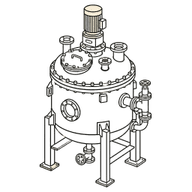
A PRODUCT LSB INDUSTRIES, INC. IS KNOWN FOR

Low-Carbon Ammonia
LSB Industries focuses on producing low-carbon ammonia—blue and green—to help decarbonize supply chains, with projects including CO2 capture at El Dorado for blue ammonia and green ammonia development at Pryor.


Revenue by Products
| Icon | PRODUCT | Q3-2025 | Q4-2025 | Q1-2026 | Q2-2026 |
|---|---|---|---|---|---|
 | Chemical | $155.43M | $165.05M ▲ | $169.49M ▲ | $168.09M ▼ |
Revenue by Geography
| Map | REGION | FY2012 | FY2013 | FY2014 | FY2015 |
|---|---|---|---|---|---|
 | CANADA | $21.08M | — | $19.33M ▼ | — |
| C A | — | $19.98M | — | $17.86M ▼ |
ETFS HOLDING THIS STOCK
ETFS HOLDING
125
LISTED HERE
25
RANKED BY POSITION SIZE


INSTITUTIONAL OWNERSHIP
SHARES OWNED
52.87%
HOLDERS
300
TOP 12 OF 300 · RANKED BY POSITION SIZE

Blackrock, Inc.

Blackrock Inc.

Robotti Robert

Castleknight Management LP

American Century Companies Inc

Vanguard Group Inc

Dimensional Fund Advisors LP

Susquehanna International Group, Llp

Gendell Jeffrey L

D. E. Shaw & Co., Inc.

Systematic Financial Management LP

Ghisallo Capital Management LLC
RATINGS SNAPSHOT
Overall rating: B+
Discounted Cash Flow5
Return On Equity4
Return On Assets4
Debt To Equity1
Price To Earnings2
Price To Book3
Overall Score3
INSIDER TRADES
★
DIRECTOR
Ackerman Jonathan Z.
Purchase · 1.0K shares
2026-08-12
★
DIRECTOR
White Lynn F
Sale · 40.0K shares
2026-06-10
★
OFFICER: SVP AND TREASURER
CARVER KRISTY
Sale · 9.6K shares
2026-06-08
★
DIRECTOR
Ackerman Jonathan Z.
Purchase · 9.3K shares
2026-05-22
MOST RECENT ANALYST GRADES
GRADE SUMMARY
OUTPERFORM 1
NEUTRAL 1
HOLD 1
3 GRADES IN THE LAST 12 MONTHS


SECTORS PEERS
| PEER | PRICE | |
|---|---|---|
 SGML SGML | $12.39 | COMPARE |
 KRO KRO | $8.43 | COMPARE |
 KOP KOP | $47.78 | COMPARE |
 LWLG LWLG | $5.35 | COMPARE |
 WLKP WLKP | $21.88 | COMPARE |
 TROX TROX | $4.81 | COMPARE |
 ASIX ASIX | $17.45 | COMPARE |
 GEVO GEVO | $1.64 | COMPARE |