 Stock Taper
PAM
$80.45
▼ DOWN 0.85% (-0.69)
KEY STATISTICS
Market Cap$4.38 B
52w High$94.50
52w Low$54.95
Dividend Yield0.66%
FrequencyAnnual
P/E7.64
Volume143.39K
Shares Out.54.39M
COMPANY
LEADERSHIP

CHIEF EXECUTIVE
Gustavo Mariani
ABOUT
SECTOR
Utilities
WENT PUBLIC
October 9, 2009
METHOD OF GOING PUBLIC
IPO
FULL TIME EMPLOYEES
11,598
PRICE TARGET
Target High$97.00
Target Low$97.00
Target Median$97.00
Target Consensus$97.00
UPCOMING EARNINGS
DateNov 2, 2026
DayMonday
Rev. Est.$770.24M
NOV
2
MON
PRICE
$80.45 ▼ DOWN 0.85% (−$0.69)About Pampa Energía S.A.
https://www.pampa.com ↗Pampa Energía S.A. is an Argentine integrated power, oil, and gas company with around 4,970 MW capacity, operating in electricity generation, transmission, exploration, production, petrochemicals, and refining.
INDUSTRY
Regulated Electric
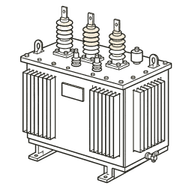
A PRODUCT PAMPA ENERGÍA S.A. IS KNOWN FOR

Parque Eólico Pampa Energía VI (PEPE VI)
PEPE VI, a 140 MW wind farm inaugurated in September 2024 in Buenos Aires with a $260M investment, is Argentina's first connected to a 500 kV line, boosting Pampa Energía’s renewable capacity and clean energy efforts.


Revenue by Products
| Icon | PRODUCT | FY2024 | FY2025 |
|---|---|---|---|
 | Generation | $669M | $788M ▲ |
 | Oil And Gas Segment | $515M | $541M ▲ |
 | Petrochemicals | $326M | $265M ▼ |
 | Eliminations | -$107M | -$123M ▼ |
ETFS HOLDING THIS STOCK
ETFS HOLDING
7
LISTED HERE
5
RANKED BY POSITION SIZE


INSTITUTIONAL OWNERSHIP
SHARES OWNED
10.36%
HOLDERS
145
TOP 12 OF 145 · RANKED BY POSITION SIZE

Blackrock Group Ltd

Tt International Asset Management Ltd

Helikon Investments Ltd

Russell Frank Co/

Mirae Asset Global Etfs Holdings Ltd.

Blackrock Fund Advisors

Morgan Stanley

Ping Capital Management, Inc.

Emerald Acquisition Ltd.

Millennium Management LLC

Absolute Gestao De Investimentos Ltda.

Jpmorgan Chase & Co
RATINGS SNAPSHOT
Overall rating: A+
Discounted Cash Flow3
Return On Equity5
Return On Assets5
Debt To Equity4
Price To Earnings4
Price To Book3
Overall Score4
TRADES BY CONGRESS
SENATE TRADES

Tommy Tuberville
Sale (Full)
2024-01-19
INSIDER TRADES
★
OFFICER: VICE PRESIDENT
Mindlin Damian Miguel
— · —
2026-03-17
★
DIRECTOR, 10 PERCENT OWNER:
Mindlin Marcos Marcelo
— · —
2026-03-17
★
DIRECTOR, 10 PERCENT OWNER:
Mindlin Marcos Marcelo
Purchase · 675.0K shares
2026-08-21
★
DIRECTOR, 10 PERCENT OWNER:
Mindlin Marcos Marcelo
Purchase · 903.0K shares
2026-08-19
MOST RECENT ANALYST GRADES
GRADE SUMMARY
NEUTRAL 1
BUY 1
2 GRADES IN THE LAST 12 MONTHS


SECTORS PEERS
| PEER | PRICE | |
|---|---|---|
 PCG PCG | $16.60 | COMPARE |
 SR SR | $82.56 | COMPARE |
 NWE NWE | $70.32 | COMPARE |
 OTTR OTTR | $90.84 | COMPARE |
 KEN KEN | $67.23 | COMPARE |
 CPK CPK | $132.71 | COMPARE |
 AVA AVA | $37.66 | COMPARE |
 MGEE MGEE | $78.15 | COMPARE |