TSLA Stock Forecast: The Bull vs. Bear Case for 2026
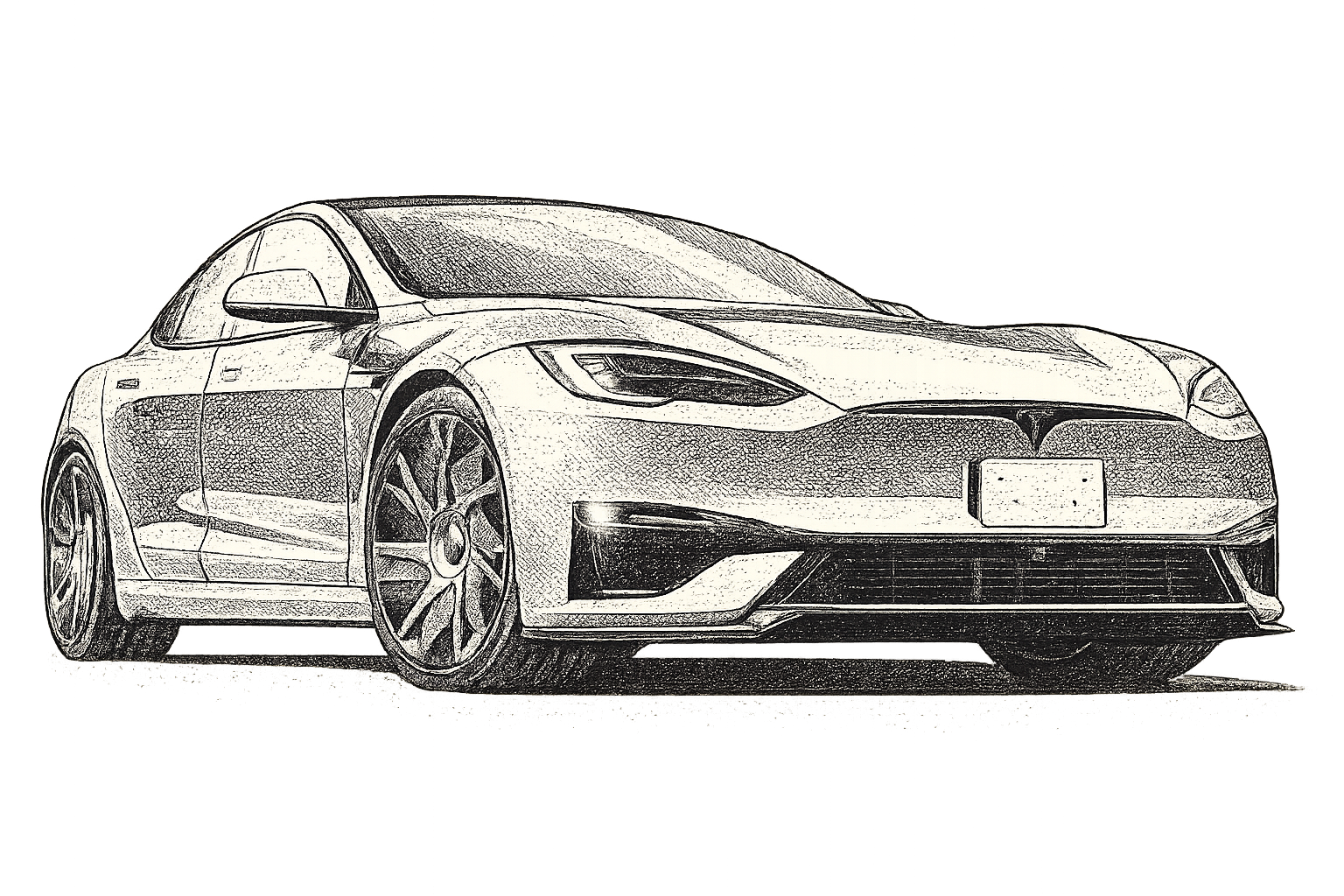
Few stocks ignite as much debate—and as many headlines—as Tesla (TSLA). With its charismatic CEO, relentless innovation, and a stock chart that’s made both millionaires and skeptics, TSLA stock sits at the crossroads of hype and hard-nosed analysis. As we look ahead to 2026, investors are asking: what’s next for Tesla, and is the current price justified by fundamentals or fueled by speculation?
In this article, we move beyond the daily noise to provide a clear-eyed, balanced analysis of the bull and bear cases for TSLA stock through 2026. We’ll examine Tesla’s growth catalysts, competitive threats, and the valuation debate—so you can make your own informed decision.
Tesla’s Growth Catalysts: The Bull Case
Bulls argue that TSLA stock still has significant upside, even after its meteoric run. Here’s why: Tesla is more than just an automaker—it’s a vertically integrated energy and technology company with multiple growth engines.
- Electric Vehicle (EV) Dominance: Tesla remains the global EV leader, delivering 1.8 million vehicles in 2023 and targeting 20 million by 2030. Its scale, brand, and software lead are formidable.
- Margin Leadership: Tesla’s automotive gross margin (excluding credits) was 17.6% in Q1 2024, outpacing most legacy automakers, driven by manufacturing efficiency and direct sales.
- Autonomous Driving & AI: Tesla’s Full Self-Driving (FSD) software is a potential game-changer. If FSD matures by 2026, recurring software revenues and robotaxi ambitions could unlock new profit pools.
- Energy & Storage: Tesla’s energy generation and storage segment grew 54% year-over-year in 2023, with potential to become a major business line as the world transitions to renewables.
Bulls argue that, by 2026, Tesla could be producing over 3 million vehicles annually, with expanding software and energy revenues justifying a premium valuation. Some Wall Street analysts, like Morgan Stanley’s Adam Jonas, have price targets as high as $380 for TSLA by 2026, citing its AI and energy potential.
Tesla’s ability to monetize software and energy could transform its business model—and its stock price—by 2026.
Stock Taper Analysis
Risks and Competitive Threats: The Bear Case
The bear case for TSLA stock centers on intensifying competition, margin pressures, and lofty expectations. Even with its first-mover advantage, Tesla is no longer the only game in town.
- EV Competition: Legacy automakers like GM and Ford, along with Chinese rivals such as BYD and NIO, are ramping up EV production. Global EV market share is fragmenting, and price wars could erode Tesla’s margins.
- Regulatory & Geopolitical Risks: Tariffs, trade tensions, and local EV incentives could impact Tesla’s global expansion, especially in China and Europe.
- Execution Risks: Tesla’s ambitious promises—like fully autonomous vehicles and mass-market robotaxis—remain unproven. Delays or technical setbacks could disappoint investors.
- Valuation Concerns: Even after recent volatility, TSLA trades at over 65x forward earnings (as of June 2024), far higher than most automakers and tech peers. If growth slows, the stock could re-rate sharply lower.
Bears argue that, by 2026, Tesla’s growth could slow as competition intensifies and EV adoption plateaus in key markets. If gross margins compress toward industry norms and software dreams don’t materialize, the stock’s valuation could come under pressure.
Valuation: Does TSLA Stock Price In Perfection?
TSLA’s valuation is at the heart of the bull-bear debate. As of June 2024, Tesla has a market cap of roughly $600 billion—more than the next five automakers combined. Yet its revenue ($97 billion in 2023) and profits ($15 billion net income) are still dwarfed by giants like Toyota.
A premium valuation assumes:
- Rapid vehicle unit growth
- High margins, especially from software
- Significant upside from new business lines (energy, FSD, AI)
If any of these pillars falter, the stock’s downside could be significant. On the flip side, if Tesla executes flawlessly, bulls argue the company could justify, or even exceed, today’s lofty multiple.
TSLA stock is priced for near-perfection. For investors, the key question is: how much of Tesla’s future is already in the share price?
Stock Taper
Key Takeaways: How Should Investors Approach TSLA Stock for 2026?
- Tesla’s upside case depends on continued EV leadership, successful software monetization, and new business lines like energy and AI.
- Major risks include intensifying competition, execution challenges, and a valuation that already prices in aggressive growth.
- TSLA stock is highly volatile and sensitive to both good and bad news—position sizing and risk management are critical.
- Long-term investors should focus on fundamentals: unit growth, margins, and actual progress on autonomy, not just headlines.
Conclusion
TSLA stock remains one of the market’s most polarizing investments, with both outsized risks and rewards. As 2026 approaches, the story will hinge on Tesla’s ability to deliver sustained growth and innovation, while fending off fierce competition. Whether you’re bullish or bearish, a disciplined, fundamentals-driven approach is your best guide. For more in-depth analysis and actionable insights, explore our latest research on Stock Taper.