
How Rising Oil Prices Affect Stocks: Winners & Losers for 2026
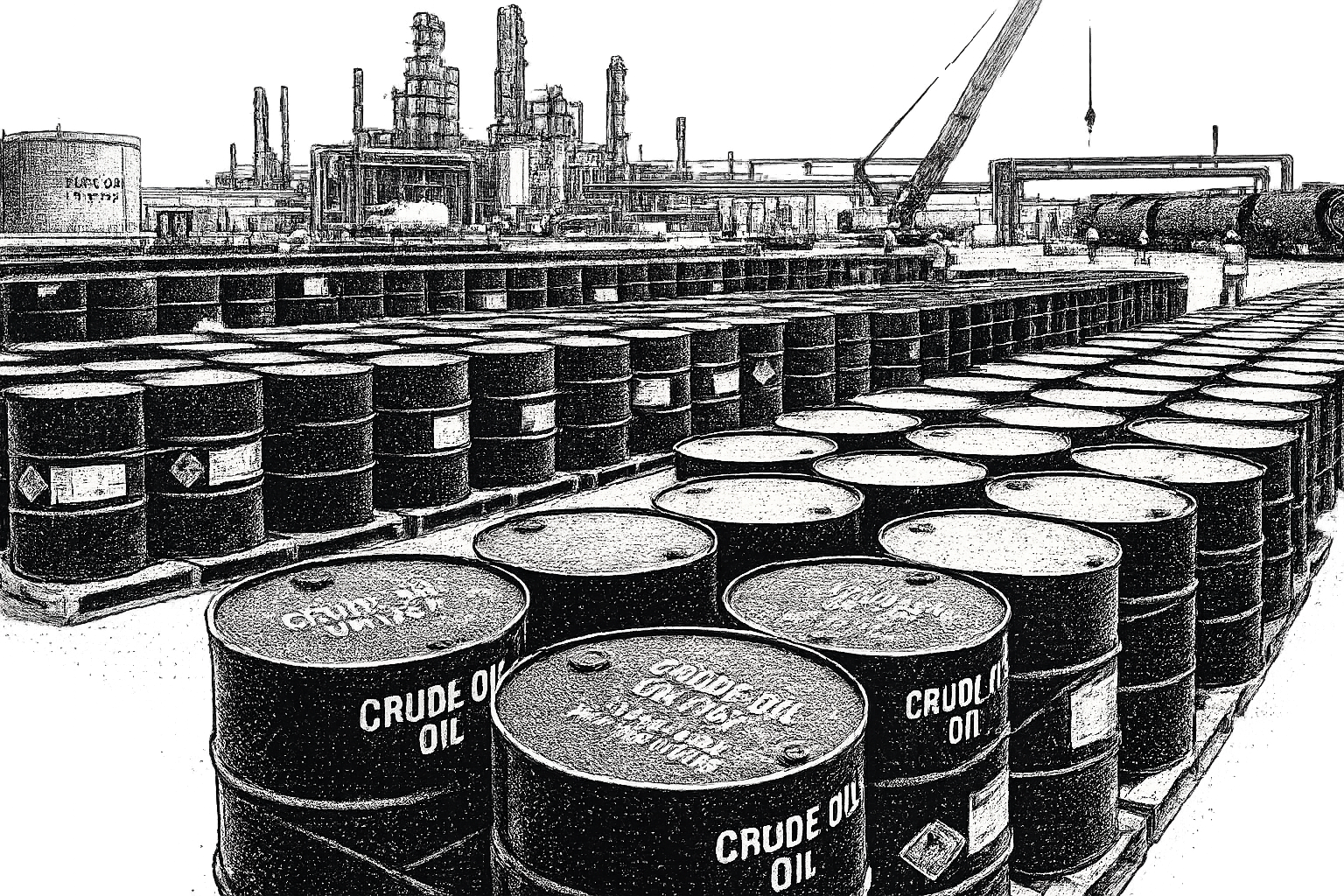
As oil prices surge past $100 a barrel in 2026, investors are feeling the ripple effects—both positive and negative—across the stock market. Geopolitical tensions, OPEC+ production cuts, and the UAE’s surprise exit from the oil cartel have combined to create a volatile energy landscape. But how rising oil prices affect stocks isn’t always obvious: while some sectors thrive, others struggle to stay afloat. Understanding these dynamics is crucial for anyone hoping to protect or grow their portfolio in the current market.
Why Are Oil Prices Rising in 2026?
Oil markets in 2026 are being shaped by a perfect storm of geopolitical conflict, deliberate supply cuts, and shifting alliances within OPEC+. The most notable headline: the United Arab Emirates (UAE) exited OPEC in early 2026, citing disagreements over production quotas. This move, combined with ongoing supply restrictions from Saudi Arabia and Russia, has kept global oil supply tight even as demand rebounds post-pandemic.
- Brent crude prices surged from $85 to $112 per barrel between January and June 2026.
- OPEC+ production has fallen by nearly 2 million barrels per day since late 2025.
- The UAE’s exit adds uncertainty, potentially inspiring other members to follow suit or act independently.
For investors, these supply shocks mean that oil prices may remain elevated or volatile for the foreseeable future. It’s a scenario that reshapes the risk and opportunity landscape across multiple stock sectors.
Stock Market Winners: Who Benefits from Higher Oil Prices?
Energy stocks are the most obvious beneficiaries when oil prices climb. Companies involved in oil exploration, production, and services see profits rise with every dollar increase in crude prices. For example, ExxonMobil (XOM) reported a 25% year-over-year jump in earnings during Q1 2026, while Halliburton (HAL) and Schlumberger (SLB) have seen double-digit revenue growth as drilling activity picks up.
- Integrated oil majors (e.g., ExxonMobil, Chevron)
- Oilfield services (e.g., Halliburton, Schlumberger)
- Independent exploration & production firms
- Pipeline operators (e.g., Kinder Morgan, Enbridge)
Beyond energy, industrial and materials stocks with exposure to oil infrastructure, such as Caterpillar (CAT) and Honeywell (HON), can also benefit. These companies supply equipment and technology to the oil and gas industry, gaining when capital expenditures in the sector rise.
Every $10 rise in oil prices can translate to billions in additional profits for energy producers, but it also raises costs across the rest of the economy.
Stock Taper Research
Investors should note that energy ETFs, such as the Energy Select Sector SPDR Fund (XLE), tend to outperform the broader S&P 500 during periods of rising oil prices. In the first half of 2026, XLE outpaced the S&P 500 by over 12 percentage points.
Stock Market Losers: Who Gets Squeezed by High Oil?
Transportation and consumer discretionary stocks are among the hardest hit when oil prices spike. Airlines, shipping companies, and logistics firms face immediate cost pressures, as fuel is often their largest single expense. For instance, Delta Air Lines (DAL) issued a profit warning in April 2026, citing jet fuel costs up 40% year-over-year.
- Airlines (e.g., Delta, United, Southwest)
- Trucking and shipping (e.g., FedEx, UPS)
- Cruise lines (e.g., Carnival, Royal Caribbean)
- Automakers and auto suppliers
Consumer discretionary companies—think retailers, restaurants, and travel-related businesses—also tend to struggle. Higher energy costs eat into household budgets, which can reduce spending on non-essential goods and services. In Q1 2026, Walmart (WMT) and Target (TGT) both reported slower sales growth, attributing part of the drag to increased transportation and utility costs.
Even some tech and industrial firms with major logistics operations (like Amazon or Tesla) can see margin pressure if they’re unable to pass higher costs onto customers in a competitive environment.
How to Analyze Your Portfolio: Managing Oil Price Risk
With oil prices likely to remain volatile, investors should review their portfolios for both risk and opportunity. Here’s how to approach it in 2026:
- Identify direct exposure: Check your holdings for companies with high energy costs or oil-linked revenues.
- Balance sector allocation: Consider increasing energy or materials exposure if your portfolio is tilted toward transportation or consumer stocks.
- Look at supply chain impacts: Even companies not directly in oil may be affected if they rely on global shipping or energy-intensive manufacturing.
- Monitor management commentary: Pay attention to earnings calls for talk of hedging, cost pass-through, or revised guidance linked to fuel costs.
For investors with a long-term horizon, periods of high oil prices can also be a time to look for bargains among temporarily depressed consumer or transportation stocks—if they have strong balance sheets and a track record of weathering energy shocks.
Key Takeaways: Navigating the Oil Price Rollercoaster
- Rising oil prices in 2026 are driven by geopolitics, OPEC+ cuts, and supply uncertainty.
- Energy, materials, and select industrial stocks typically benefit most.
- Transportation, consumer discretionary, and logistics-heavy companies often see margin pressure.
- Regularly review your portfolio’s sector exposure and stay alert to company-specific risks.
- Look for opportunities to buy quality stocks under pressure or rebalance into winning sectors.
RELATED STOCKS




Rising oil prices can feel like a double-edged sword for investors, but understanding how rising oil prices affect stocks lets you turn volatility into opportunity. By monitoring sector dynamics and keeping your portfolio balanced, you can ride out the oil market’s ups and downs—and maybe even come out ahead. For more market insights and actionable research, visit Stock Taper.